Alex Campbell

Posts by Alex Campbell

Tax cuts, amendments, and disaster recovery: Helene after two years
Recovery efforts after a climate disaster can extend for years. Rebuilding homes and infrastructure so that disaster survivors can recover fully and with dignity requires significant tax dollars and a sustained, coordinated, collective effort. Yet what we have seen in North Carolina since Hurricane Helene in 2024 is a failure to invest resources at the…
What $950 million could mean for emergency response
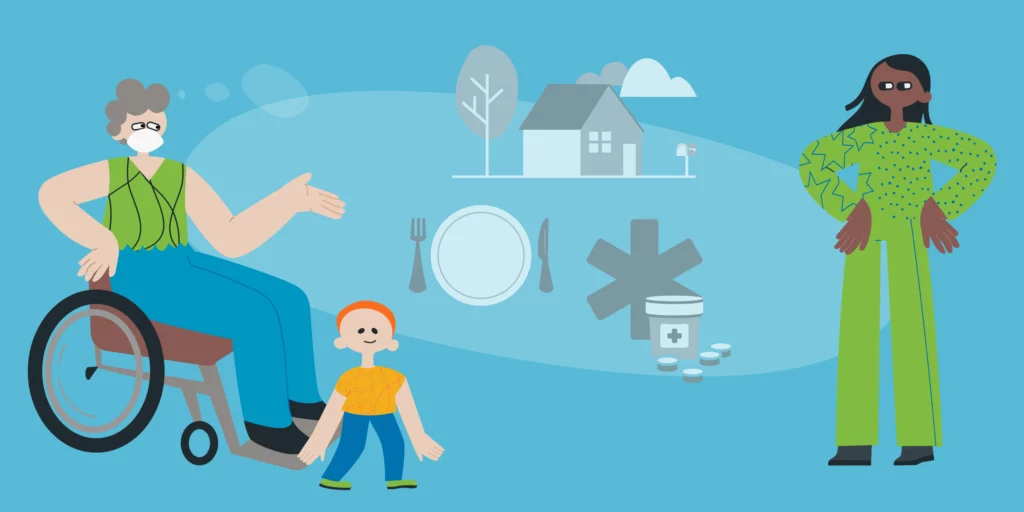
When someone calls 911, we expect emergency responders to show up. This is because local governments make sure our public dollars are put to use to pay and retain workers who keep our communities safe and provide the essential equipment they need to respond — from fire trucks to personal protective equipment. But firefighters, EMTs,…
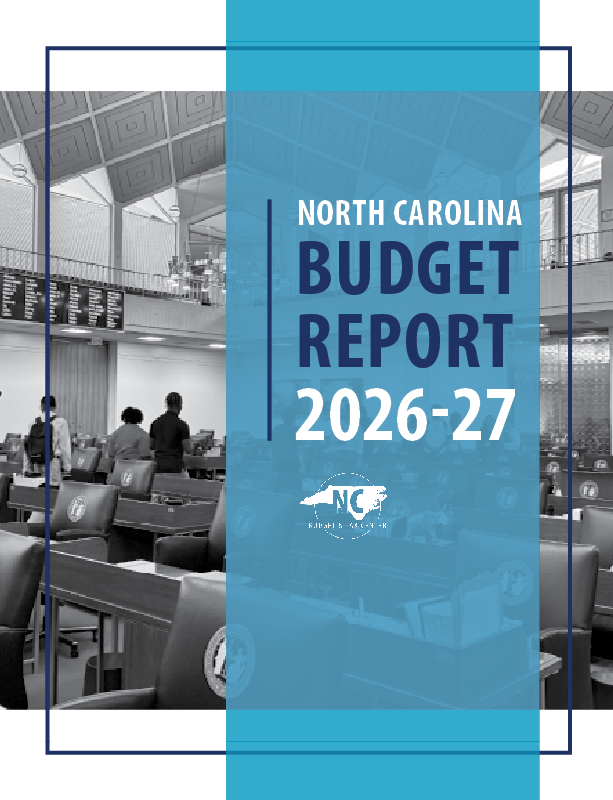
2026-27 North Carolina Budget Report: Tax cuts for corporations and millionaires, and higher costs for counties and families
Note: Here are links where you can access the budget bill and the committee report. You also can see how members of the NC Senate and NC House of Representatives voted on the approved budget. Unless otherwise noted, the analysis in this report reflects SB 257 (2026 Appropriations Act) and not the subsequently passed technical…

NC workers fuel our economy. Tax cuts do not.
Working people power the economy. Their labor delivers critical services to make all of our lives easier, creates new products and technologies, builds roads and infrastructure to connect us, and provides the care that heals our communities. If the economy is strong, it should support the people who make it possible. But when policymakers choose…

Fact Sheet: Tax ballot measures are bad for local business
North Carolina voters will see two tax measures on their ballots in November that will limit state and local government revenue options and lock in outsized tax breaks for big business. These measures would lower the maximum allowable personal and corporate income tax rates to 3.5 percent and impose a limit on property tax revenue…

North Carolina’s data center subsidy problem
Big tech is investing billions of dollars into data centers and the infrastructure needed to support the buildout. Meanwhile, instead of regulating this highly extractive industry and making corporations pay what they owe, some North Carolina lawmakers continue to slash away at income tax rates and barrel ahead to eliminate the corporate income tax entirely…

Final Budget Preserves Tax Cuts While Shifting Costs to Counties and Families
On Tuesday morning, North Carolina lawmakers released their final budget for FY 2026-27 after leaving the state operating without a budget since July 2025. As previously reported, the budget makes only slight changes to scheduled personal income tax cuts and leaves untouched the continued reduction – and eventual elimination – of the corporate income tax….

“Right to Work” is wrong for North Carolina
Data and analysis adapted from the Economic Policy Institute’s (EPI) extensive body of research on right-to-work laws, especially their work on the impact of RTW on state economies, on unions reducing inequities and strengthening democracy, on RTW in Montana, and on obstacles standing in the way of unionization. So-called “right-to-work” (RTW) laws have existed in North Carolina since 1947. But NC policymakers are pushing…
Public dollars, private data centers: Why North Carolina needs transparency
Tech giants like Amazon, Google, Meta, and Microsoft have invested billions of dollars into hyperscale data centers. These data centers are highly extractive — occupying hundreds of acres of land, using millions of gallons of water per day, enough electricity to power small cities, and generating air pollution, noise, and disruptive vibrations. Meanwhile, these highly…
2026 Economic County Snapshots for North Carolina
The Economic County Snapshots are one of the NC Budget & Tax Center’s flagship annual publications. They provide key economic and social indicators from publicly available sources for all 100 counties in North Carolina, along with a comparison to state-level data, with measures for employment, poverty and income, affordable housing, health, education, and more. The…