Public dollars, private data centers: Why North Carolina needs transparency
Tech giants like Amazon, Google, Meta, and Microsoft have invested billions of dollars into hyperscale data centers. These data centers are highly extractive — occupying hundreds of acres of land, using millions of gallons of water per day, enough electricity to power small cities, and generating air pollution, noise, and disruptive vibrations. Meanwhile, these highly profitable corporations have been receiving tax exemptions through government economic development programs that cost state and local governments hundreds of millions of dollars every year.
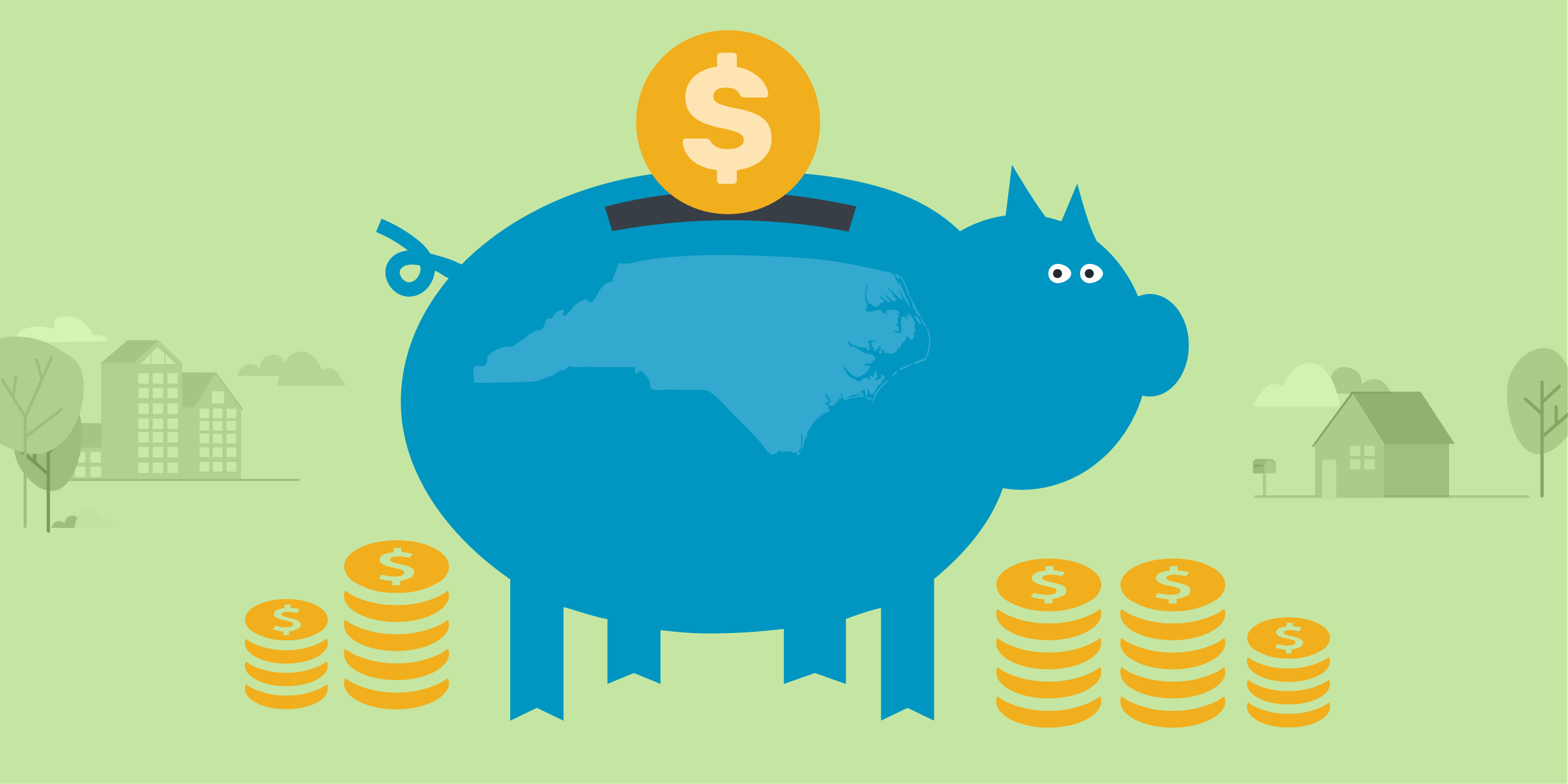
Despite requirements to report these revenue losses, only three states disclose these numbers correctly — Texas, Virginia, and Washington. North Carolina has three tax exemptions programs for data centers — longstanding data centers run by Google and Apple that have been significantly expanded — and several new data centers are being proposed in the state. Yet we have no idea how much we are losing each year in tax revenue to subsidize these speculative investments for the most profitable corporations that have ever existed.
In their new report, “Data Center Tax Abatements: Why States and Localities Must Disclose These Soaring Revenue Losses,” Good Jobs First builds on their existing research on data center tax emptions to expose how North Carolina, its counties and local municipalities, and numerous other state and local governments across the country are failing to disclose their revenue losses in accordance with the Generally Accepted Accounting Principles (GAAP).
The report recommends that every state and locality conform to GAAP and fully disclose their data center tax abatement revenue losses, and they should also retroactively report all their losses since FY 2017. To ensure that the requisite data is available, state legislators must ensure tax exemptions programs for data centers include strong recipient reporting requirements.
North Carolina legislators should immediately disclose the full cost of these tax exemptions — not just for the current year, but across the years state and local governments have allowed them to erode public resources. As families face rising energy costs and our state struggles to finance costly tax cuts for wealthy households and corporations, North Carolinians deserve clear, transparent information about how much has been redirected to wealthy, out-of-state shareholders instead of invested in our communities. Without that transparency, policymakers are asking the public to accept higher costs and fewer resources while shielding the true price of these giveaways.