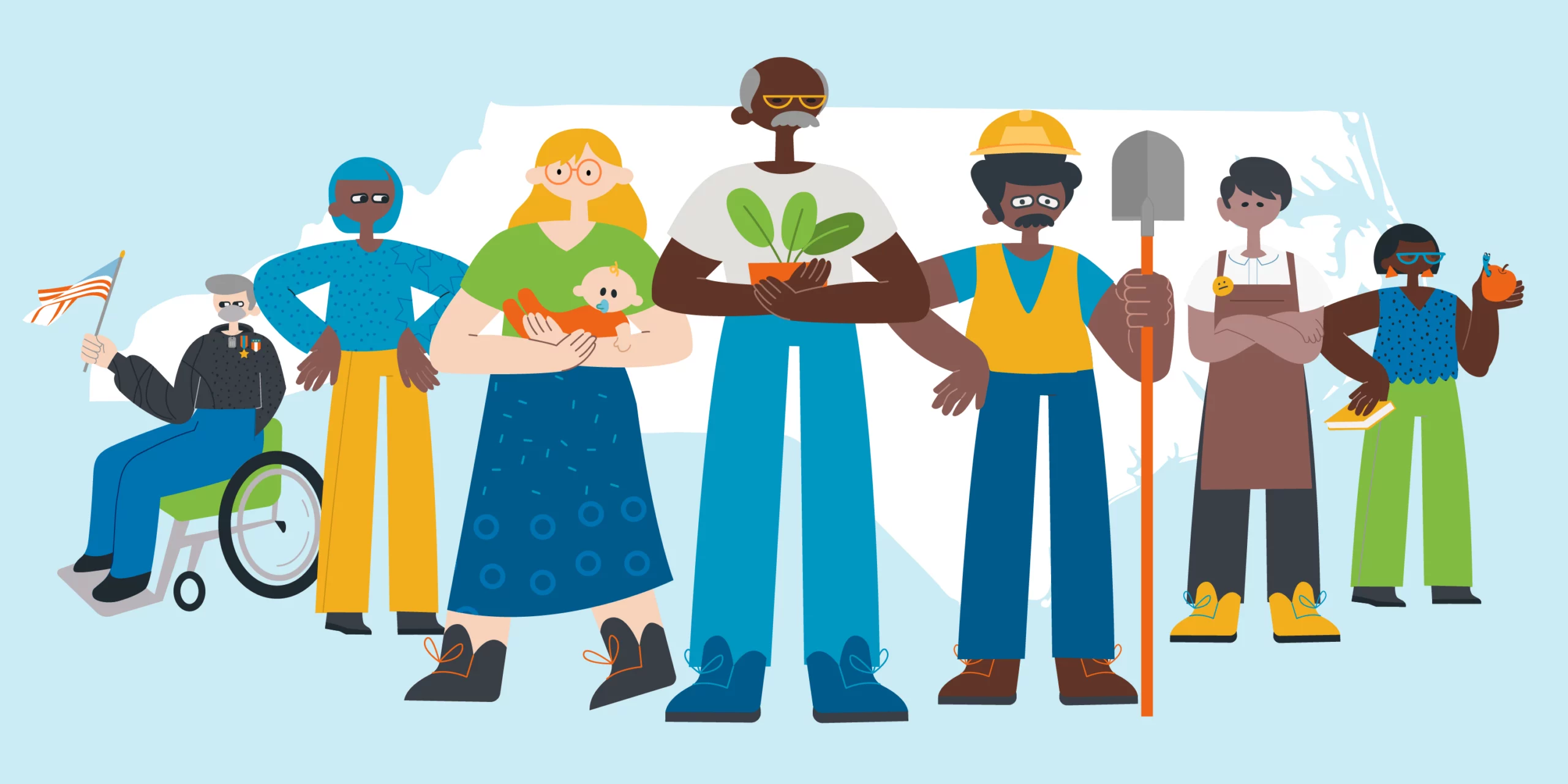
We built America by coming together. Our tax code should reflect that.
Neighbor by neighbor, town by town, city by city. Every great change in our country has started the same way: People came together to find a way forward.
North Carolina’s fight against poverty in the 1960s and our response to disasters in both eastern and western parts of the state show what is possible when we work together across our differences to meet shared challenges.
One way we come together is by pooling our resources.
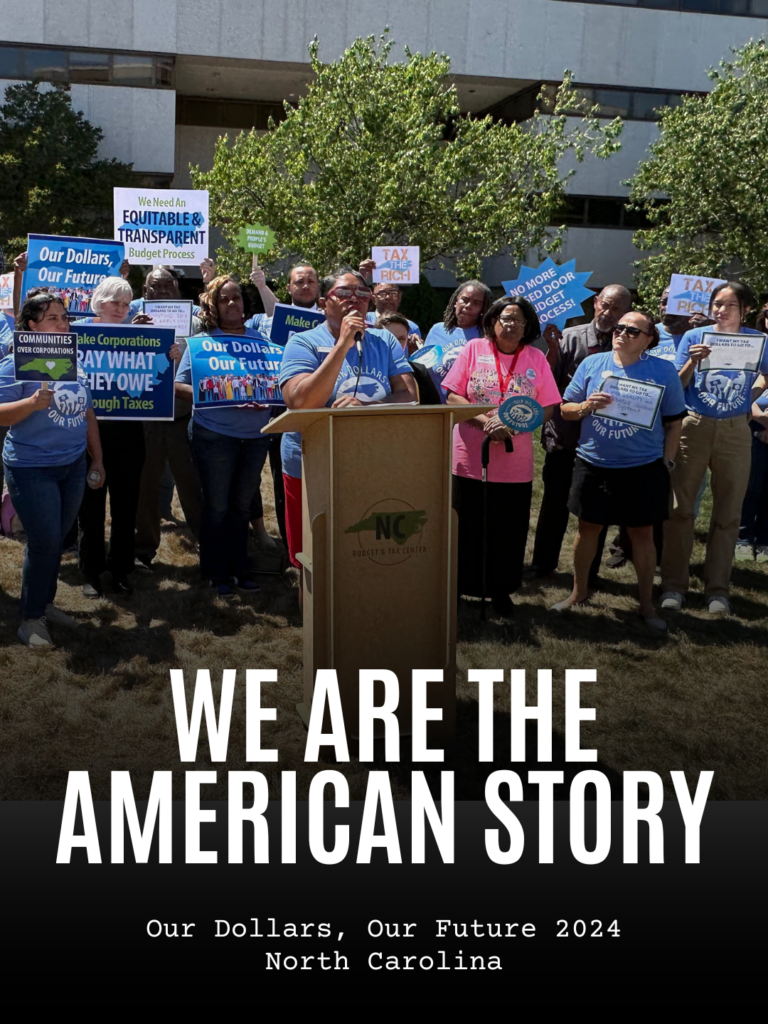
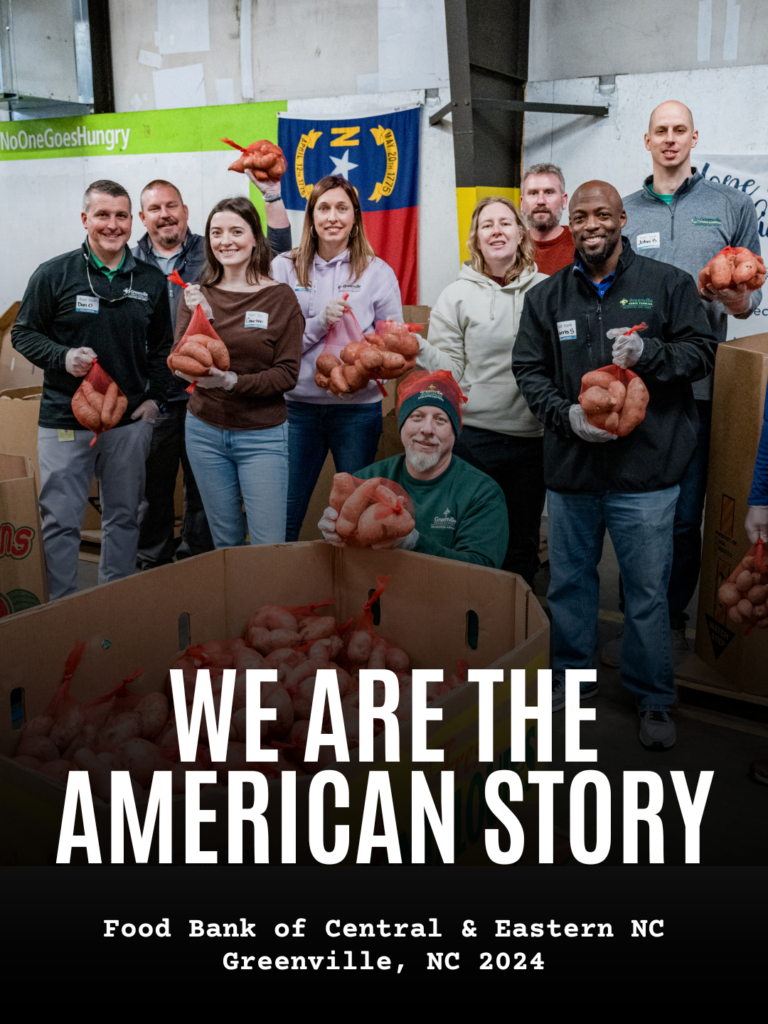
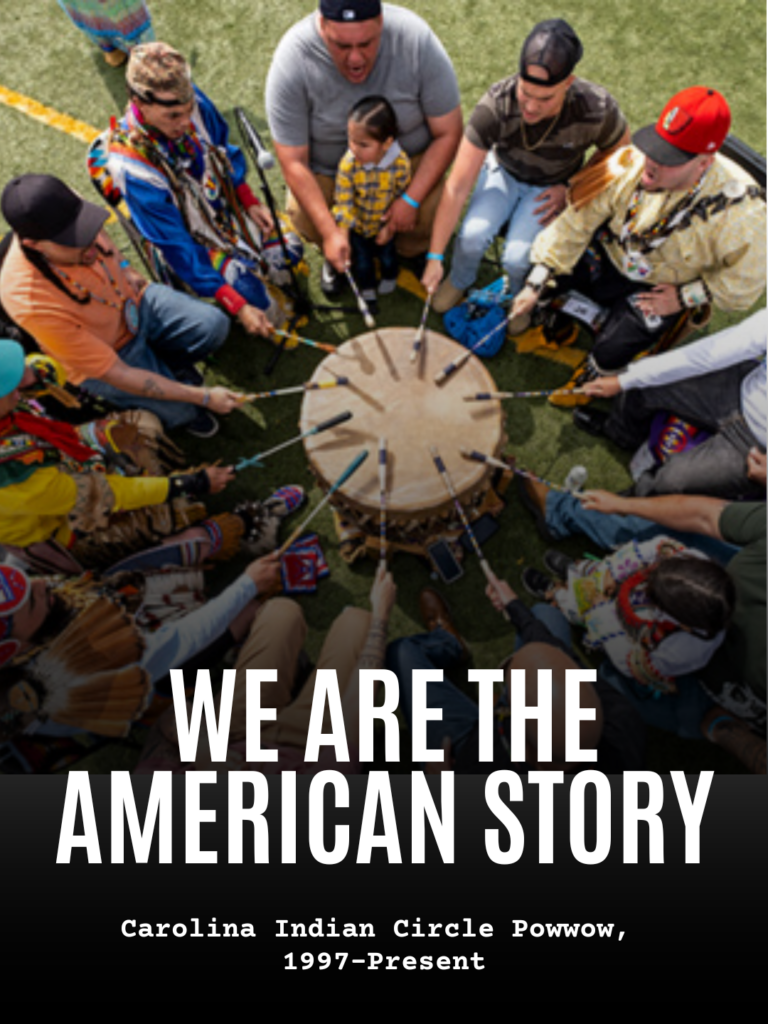
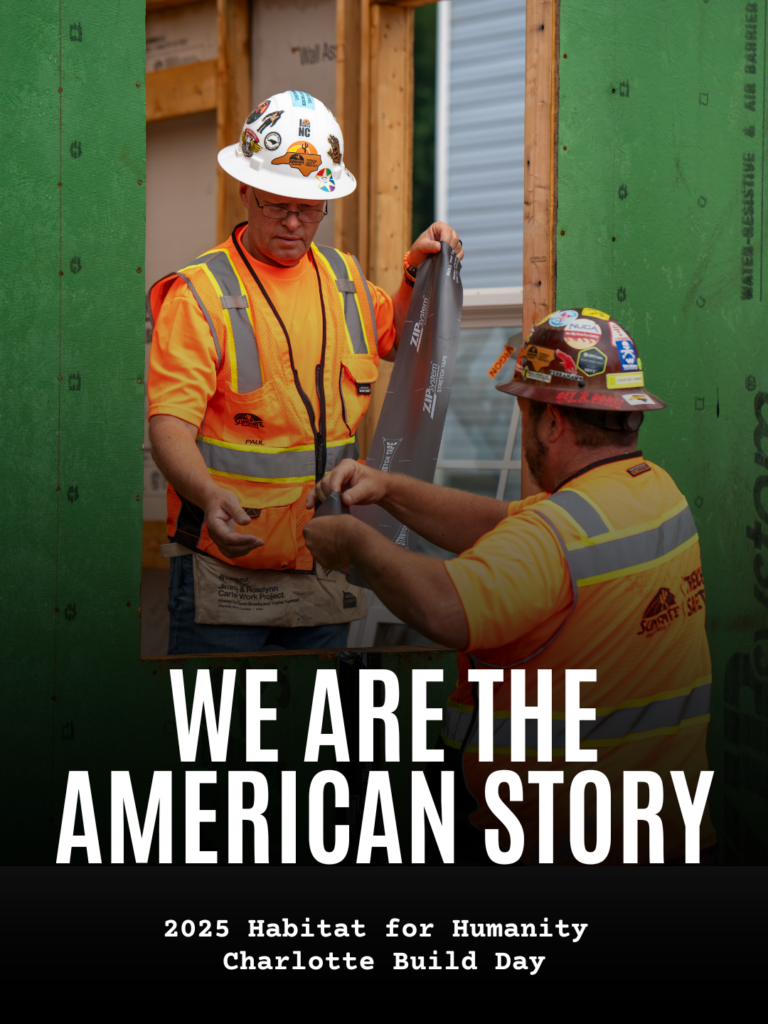
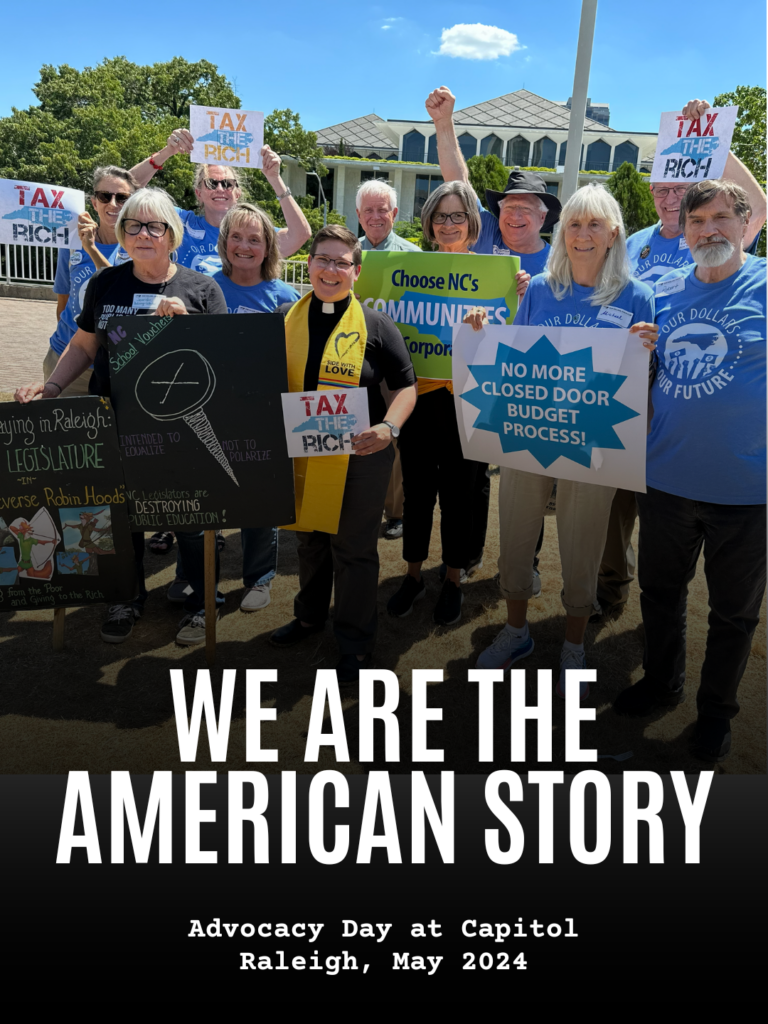
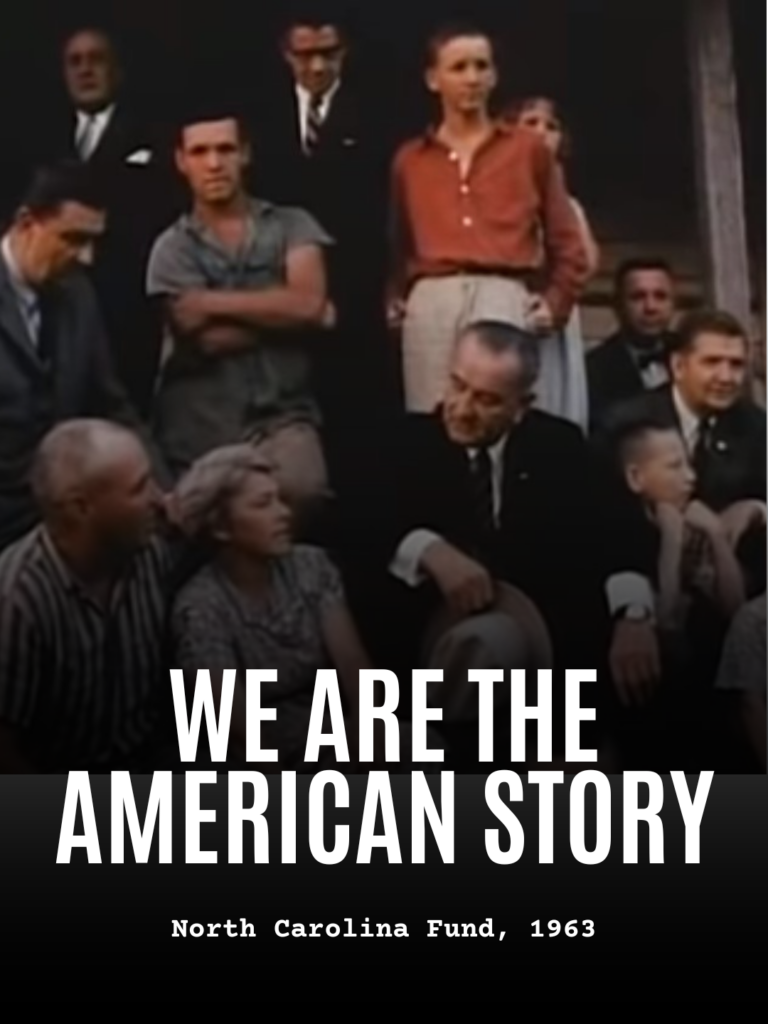
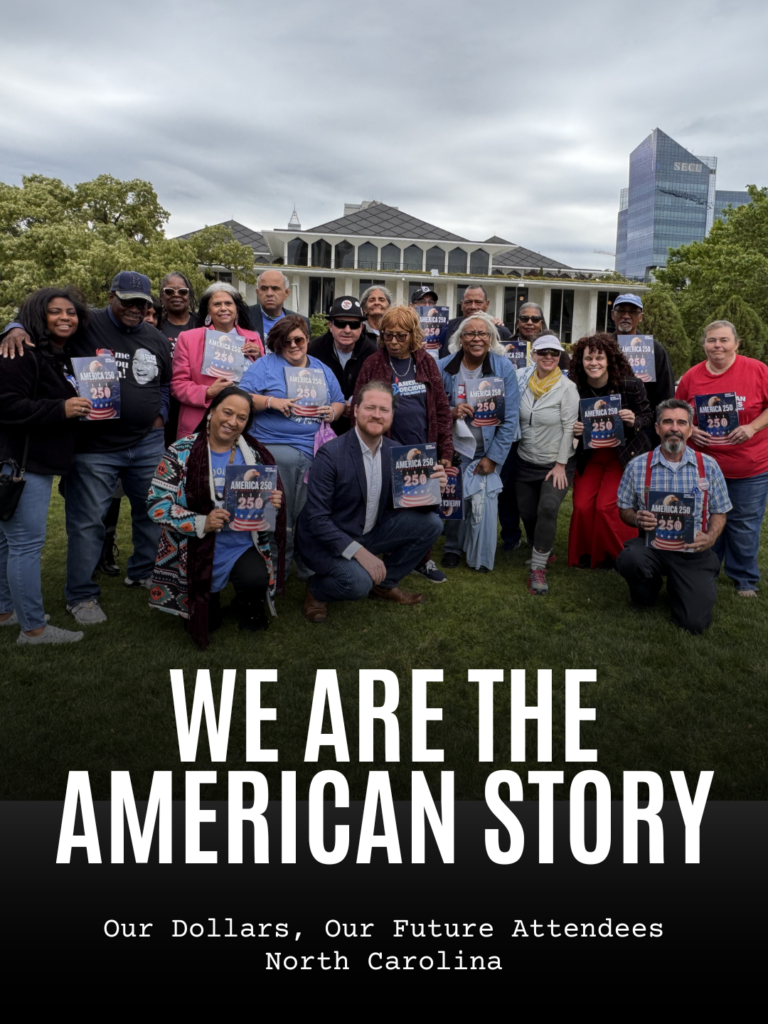
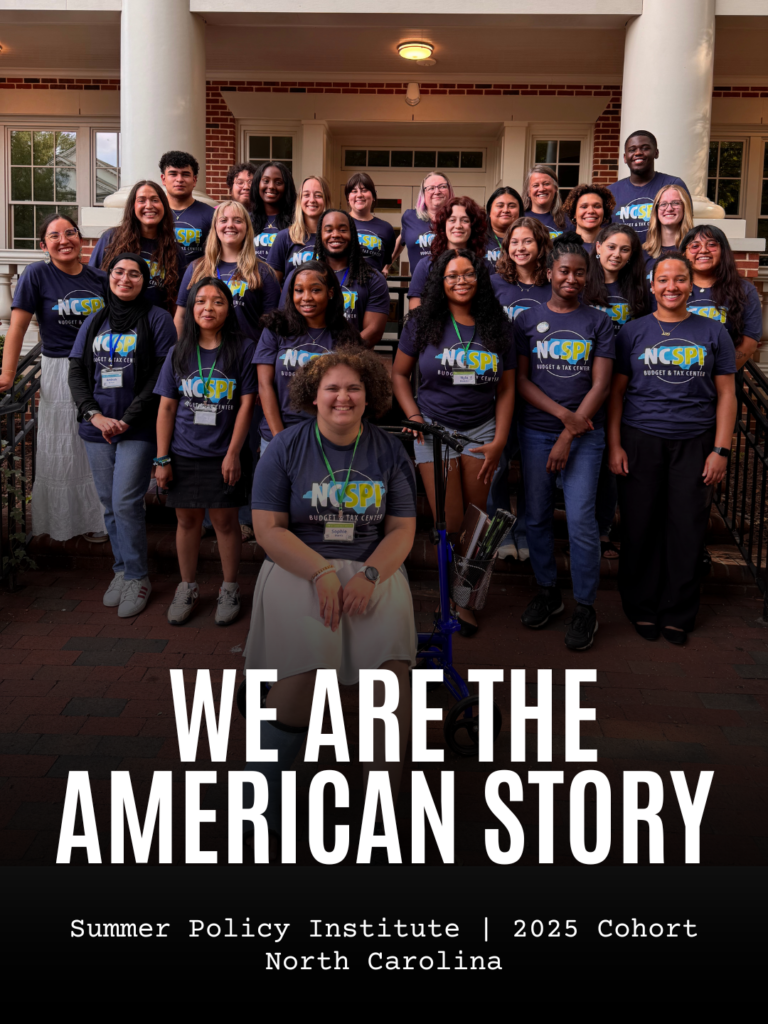
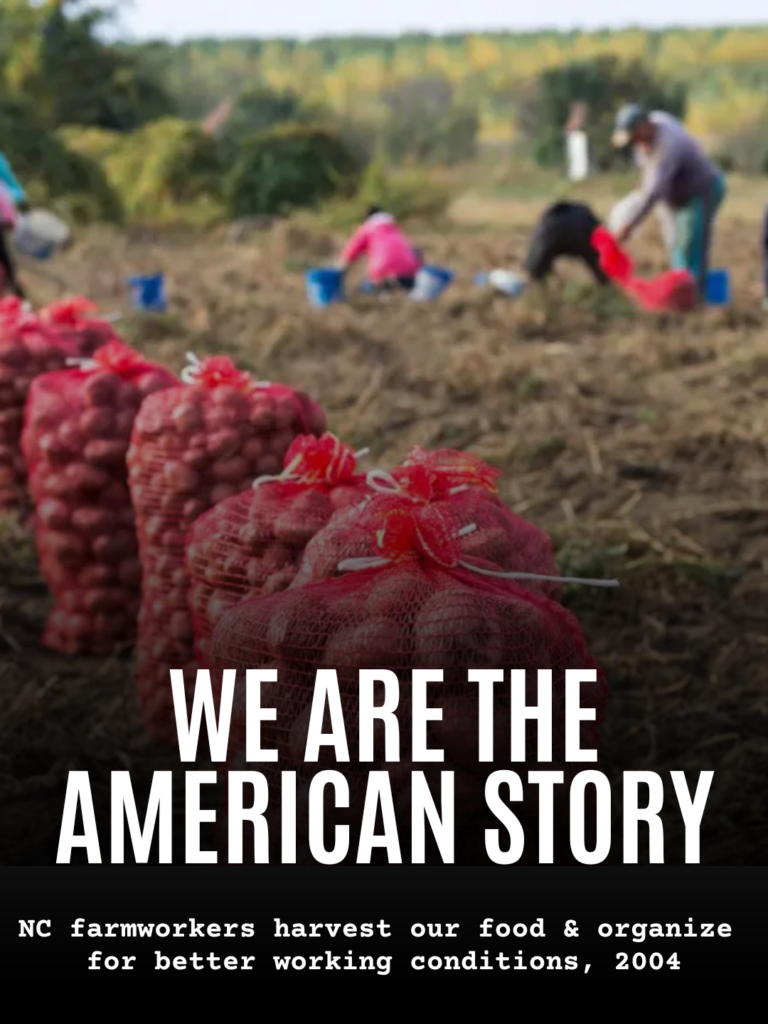
Taxes are how we invest in the things none of us can build alone: strong public schools, safe roads, clean water, accessible health care, and the foundations of thriving communities.
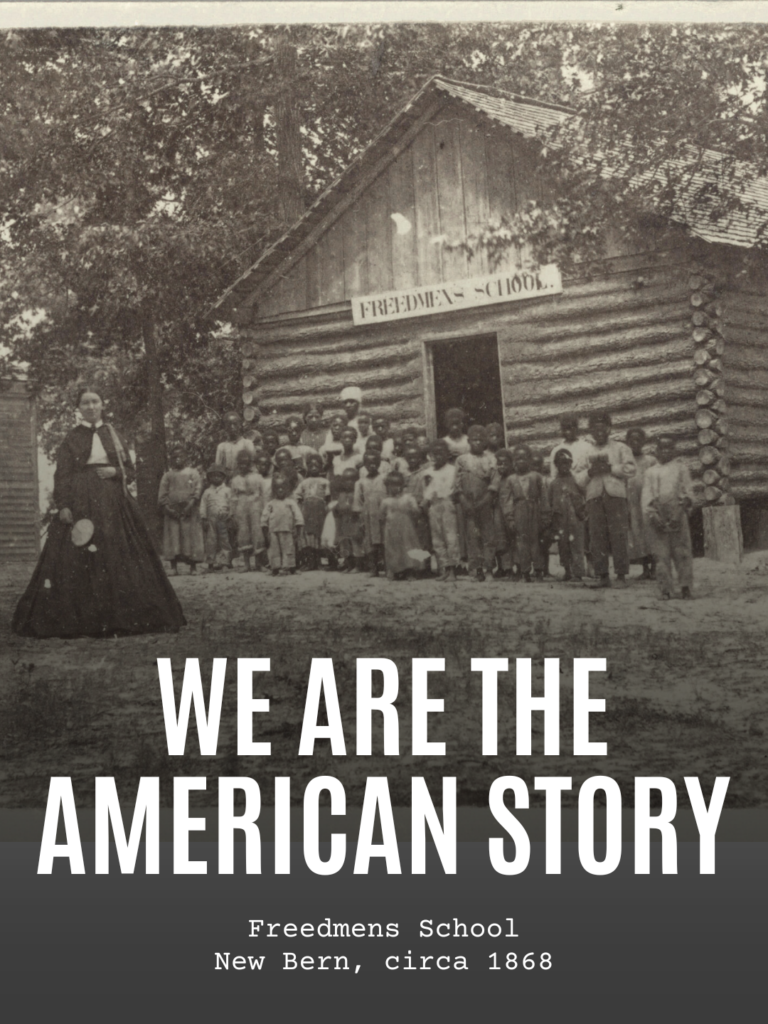
North Carolina’s own history shows what is possible when we make those investments. After the Civil War, our first state income tax helped expand access to public education in communities across the state. In the early 1900s, public investments built the roads and utility infrastructure that connected the remotest parts of our state to opportunity. and more recent investments in research and development at public universities helped attract new industries to the Triangle.
But when policymakers put tax breaks for the wealthy few and profitable corporations ahead of community, they risk our ability to fund the next 250 years of progress. And they weaken the fabric of our democracy itself.
Researchers have repeatedly found that extreme income and wealth inequality can destabilize societies and make it harder for people to solve shared problems. Today, roughly one-third of the country’s wealth is held by just 1% of our population, and roughly three-quarters of it is held by the top 10%.
Against that backdrop, the affordability challenges facing most families feel even more stark and unfair. How can some people fly to space for fun while others can barely fill the gas tank to get to work for the week? How are people buying private islands while working families struggle to afford a home in a community of opportunity?
This inequality did not happen by accident. It is the result of policy choices that have increasingly tilted the economy toward those who already hold the most wealth and power.
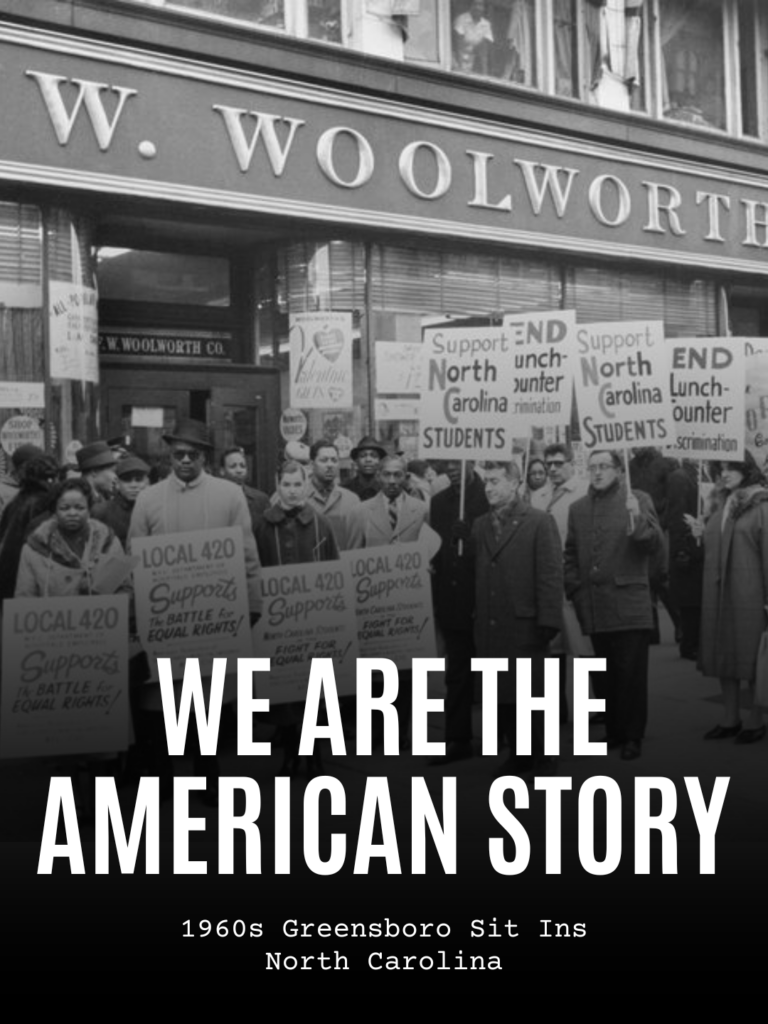
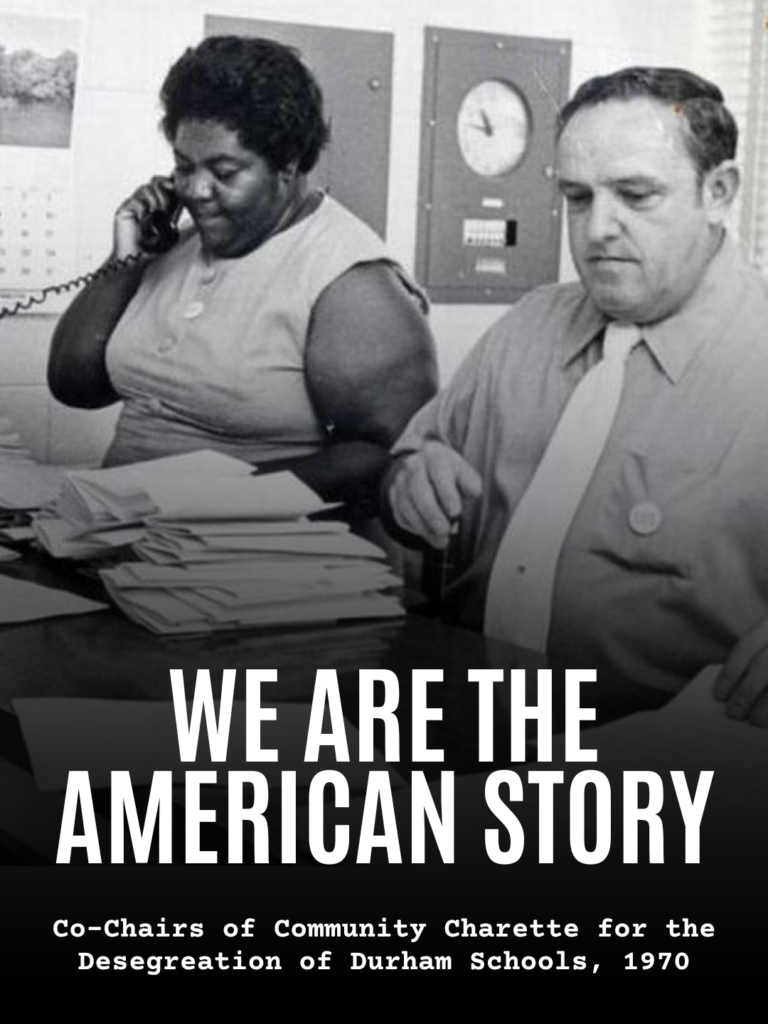
As our country marks its 250th anniversary, we should recommit to a vision that expands opportunity for all instead of concentrating wealth for a few. We can do that by building on the moments when we came together to do great things: creating public education that opened doors for generations of children, bringing electricity and roads to communities that had long been left behind, and dismantling barriers that denied opportunity based on race.
None of those things happened because individuals acted alone. They happened because we imagined a better future together and pooled our resources to make that vision real.
Taxes have strengthened our communities throughout our history. Taxes are what build community today. And they can continue to be the way that our democracy delivers the well-being that every person in our country and our state deserves.
Today, however, policymakers are moving us in the opposite direction.
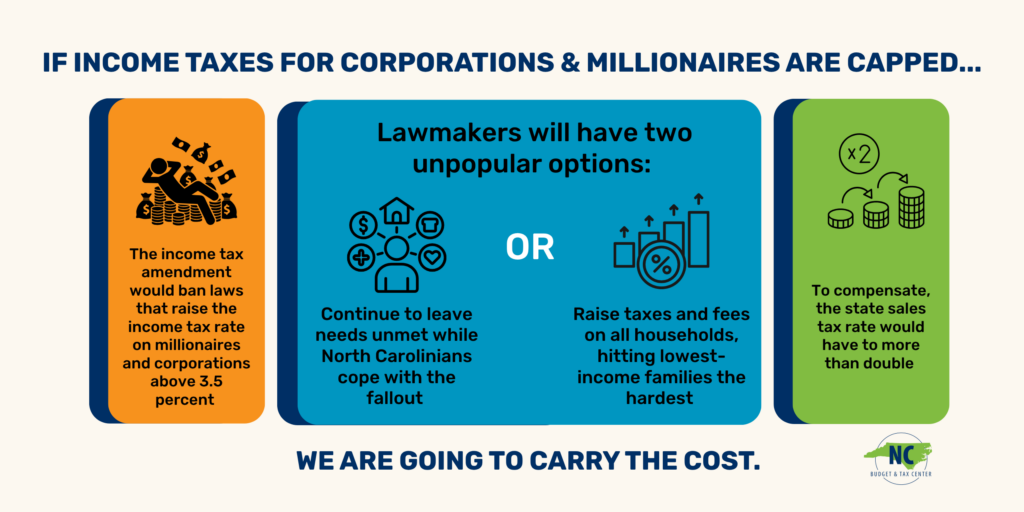
When policymakers write a tax code for corporations and the wealthy few rather than all of us, they limit our ability to choose what’s best for our communities and weaken the foundation of shared prosperity.
This year alone, federal and state tax cuts for the richest 1 percent of North Carolinians are costing our communities $4.9 billion — money that could otherwise support education, child care, food systems that keep us all healthy, stabilize businesses, and make other investments that strengthen families and expand possibilities for the future.
Federal policy choices made in the harmful HR1 bill paid for the federal tax cuts by cutting health care and food assistance while shifting costs onto states. As a result, 515,000 North Carolinians are at risk of losing health coverage, while 1.4 million are at risk of losing food assistance and struggling to afford groceries.
A country and state whose leaders choose to line the pockets of the wealthy while people go hungry is not America at its best — a democracy capable of solving big challenges with hard work, creativity, and a willingness to invest in one another.
As America turns 250, we should recommit to the simple idea that everyone — titans of business and billionaires too — should contribute their fair share toward the country that makes our collective and individual success possible.
That means building a tax system that gives everyone — whether Black or white, Indigenous or immigrant — the opportunity to send their kids to a strong public school, drink clean water, access health care without going broke, and build a good life for their family.
North Carolinians have accelerated our progress as a state when we have cared for one another and invested in the future we want to enjoy together. Our tax code should reflect who we are — and help build the better future we choose together.