
Research & Data
Types
Featured
Topics
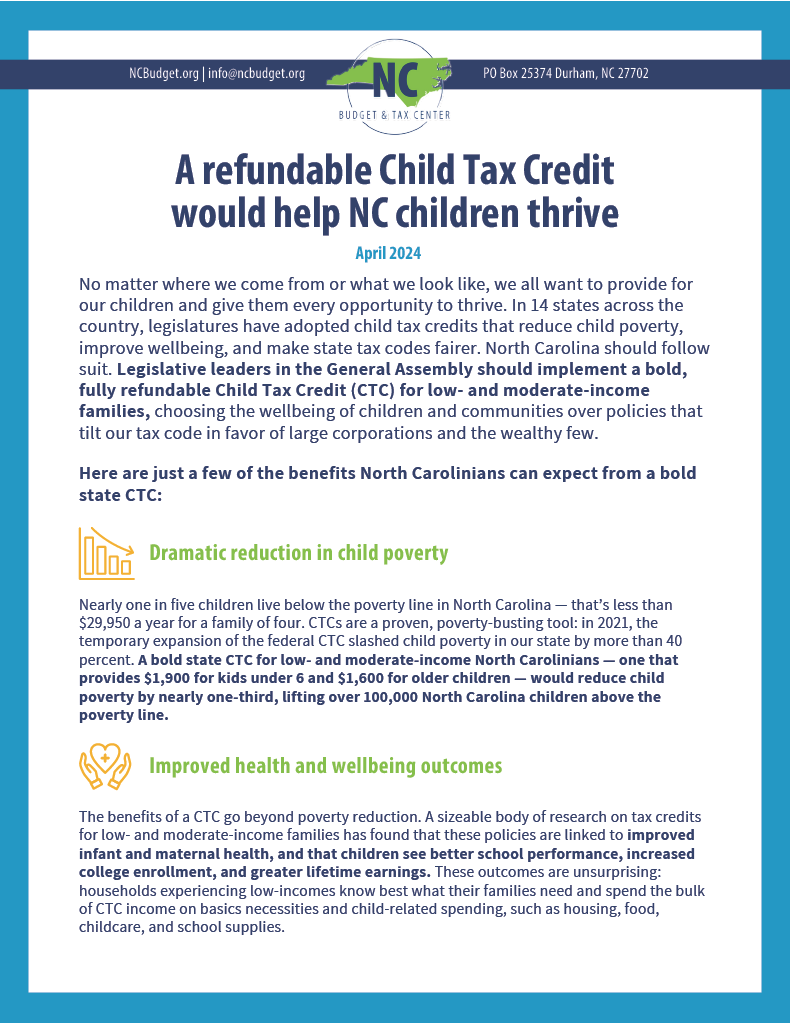
A refundable Child Tax Credit would help NC children thrive
No matter where we come from or what we look like, we all want to provide for our children and give them every opportunity to thrive. In 14 states across the country, legislatures have adopted child tax credits that reduce child poverty, improve wellbeing, and make state tax codes fairer. North Carolina should follow suit….

Recognizing the Contributions of Working Families to NC’s Economy and Communities
Working families across North Carolina contribute to our state’s economy every day through their labor in essential roles, from grocery store workers to home health aides to early childhood educators. At the same time, North Carolina’s upside-down tax code asks these families to play an outsized role in funding the public services we all want…

Local tax credits are delivering for families nationwide, but not in NC
A recent report from the Institute on Taxation and Economic Policy (ITEP) is timely, then, in lifting up the potential of local governments to make transformational investments in working families through innovative policies like a local Earned Income Tax Credit. While the use of these local credits is currently blocked by state law in North Carolina, their effectiveness is a reminder of what might be possible if legislative leaders pursued policies to deliver well-being to communities across NC and empowered local governments to do the same.

North Carolina’s poverty rate is a policy choice
The latest poverty data from the U.S. Census Bureau released last month shows that more than 1.3 million North Carolinians — including more than 380,000 NC children — were living below the federal poverty line in 2022. For a family of four, this is the equivalent of $27,750 in household income in a year — resources so low that families are forced to make impossible choices among buying groceries, paying rent, and meeting basic health care needs.
NC budget & Tax Center releases analysis of new poverty data
NC budget & Tax Center releases analysis of new poverty data North Carolina’s poverty rate declined but median household income hasn’t kept up with rising prices Note: The NC Budget & Tax Center will be adding charts and graphics to this page throughout the day. Poverty statistics released today show the continued importance of policy…

Anti-immigrant policies in North Carolina hurt us all
Most of us in NC believe that everyone should be able to live a life of dignity and safety. But some politicians in Raleigh are pushing to block immigrants from using identification that would support full participation in communities and seeking to punish local governments that refuse to do the work of federal immigration enforcement….
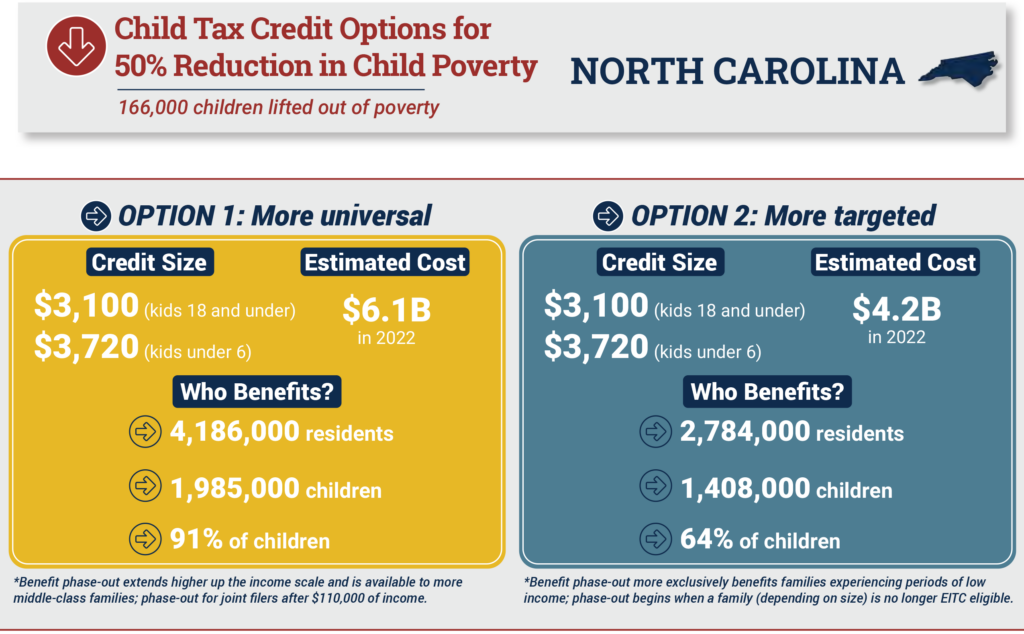
New Report: A $3,100 state Child Tax Credit could cut North Carolina child poverty rate in half
New Report: A $3,100 state Child Tax Credit could cut North Carolina child poverty rate in half A smaller $1,200 credit could reduce the child poverty rate by over 25% (Nov. 17, 2022) — As the dust settles on this year’s elections and state lawmakers look toward 2023’s legislative session, they should prioritize improving a state…
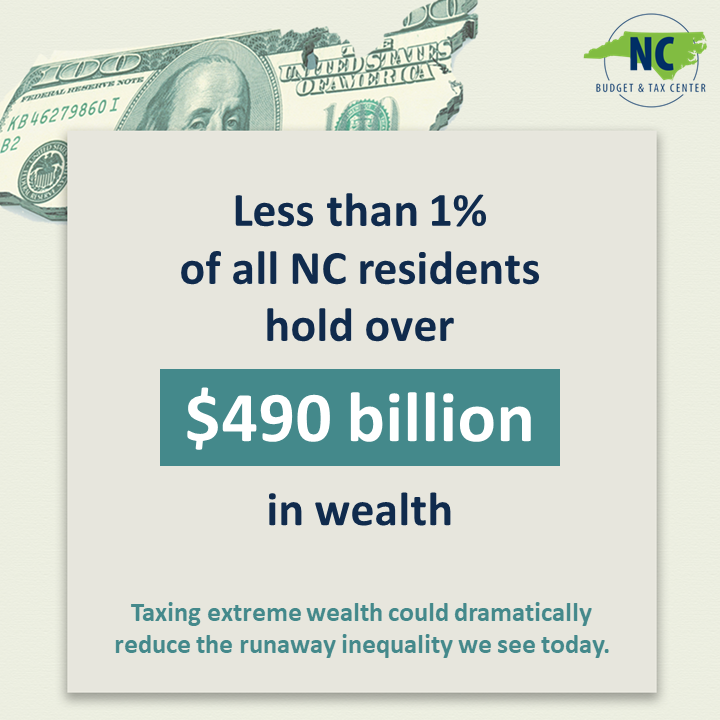
Report: Less than 1% of North Carolinians hold over $495 billion in wealth
Thursday, Oct. 13, 2022 — A tiny fraction of North Carolina families hold a staggering amount of the state’s wealth, according to a new 50-state report by the D.C.-based research organization the Institute on Taxation and Economic Policy (ITEP). The wealth inequality highlighted by the holdings of these extremely wealthy families limits economic opportunities for everyday North…

Unemployment Insurance worked, but NC workers who needed it most didn’t see the full benefit
North Carolina could have benefited even more if our state’s Unemployment Insurance policies were in line with what is needed to stabilize households and local economies during hard times. In 2013, state policymakers made changes that reduced the effectiveness of the program. Today, North Carolina’s Unemployment Insurance continues to provide too few dollars in wage replacement for too short a time for too few of the workers who have lost their jobs.
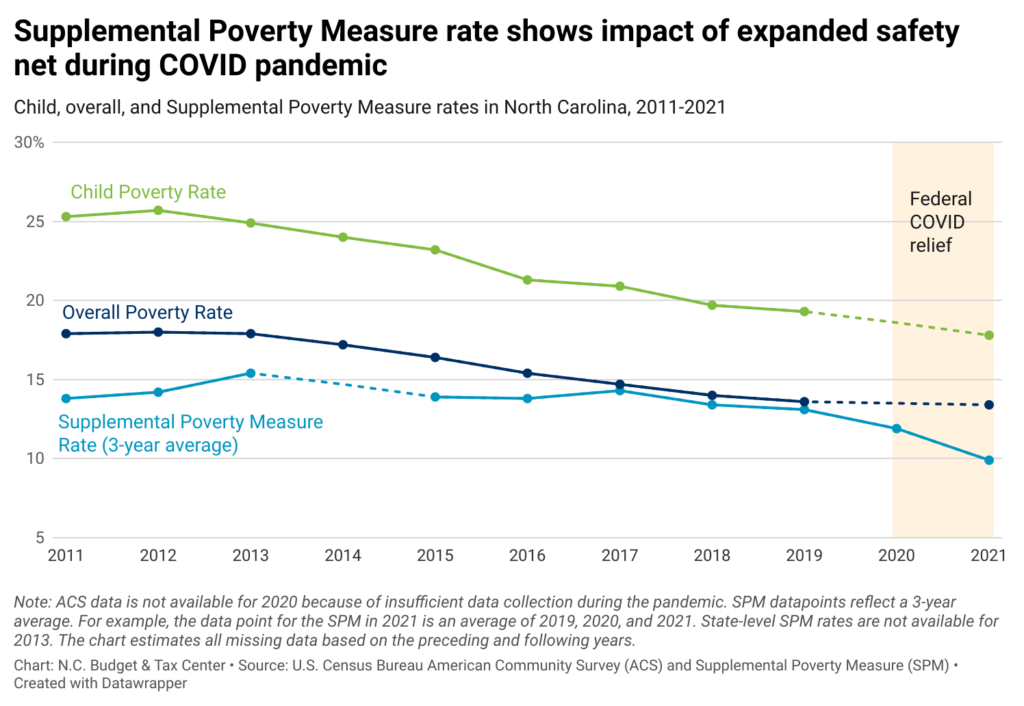
Federal COVID-19 aid averted financial disaster for many North Carolina families
New data released last week from the U.S. Census Bureau’s Current Population Survey and American Community Survey (ACS) point to the critical impact that federal relief had on the well-being of children and families in 2021.