Reflections on my summer internship with the NC Budget & Tax Center
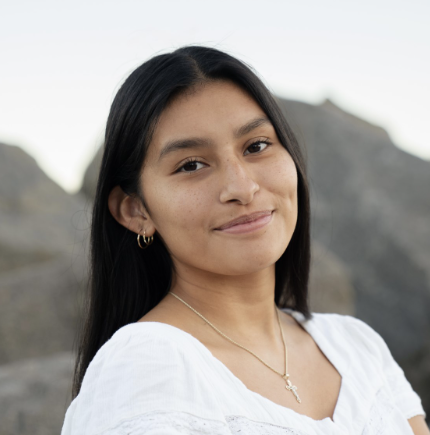
This summer, I had the opportunity to serve as a Community Building Intern with the NC Budget & Tax Center (BTC). I believe this experience has given me a greater understanding of how research, data, and community engagement work together in public policy, which will benefit my studies as I enter my senior year at UNC Wilmington as a Computer Science and Public Policy student. More than anything, my time at BTC has changed the way I look at our state budget and the decisions being made around it.
One of my biggest takeaways from this internship is understanding just how much the state budget affects everyday life for North Carolinians. One may think the state budget is simply how much money the state has and how that money is being spent, but I learned that it represents much more than that. Our budget reflects what our legislators value, which communities and services they are willing to invest in, and whether the priorities of our communities are actually being heard.
When I first started my internship in June 2026, North Carolina had been operating without a new comprehensive state budget since 2023. Throughout my time at BTC, the budget legislation was then passed very abruptly with little to no input from lawmakers and the public. I gained a much greater appreciation for the thorough, accessible analysis BTC provides to help North Carolinians understand how these hasty budget decisions will impact their communities.
The highlight of my internship experience was working closely with the Community Building team and helping organize the Summer Policy Institute (SPI). I also served as a policy advisor for one of the student policy groups, where I was able to support our fellows as they developed policy solutions to real-life issues affecting North Carolinians. Between touring the North Carolina General Assembly, meeting legislative leaders and state public policy advocates, and attending presentations on the state budget, I strengthened my knowledge about public policy and gained new connections.
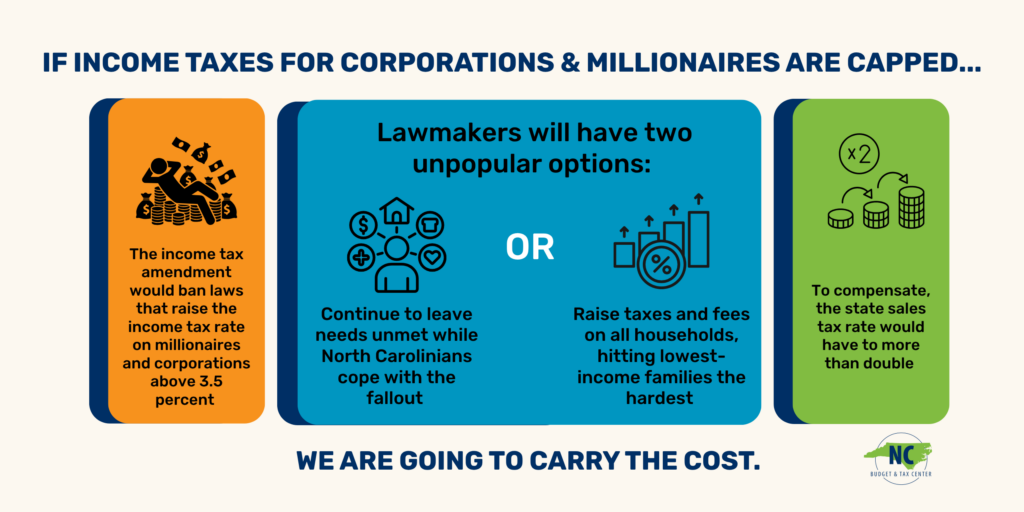
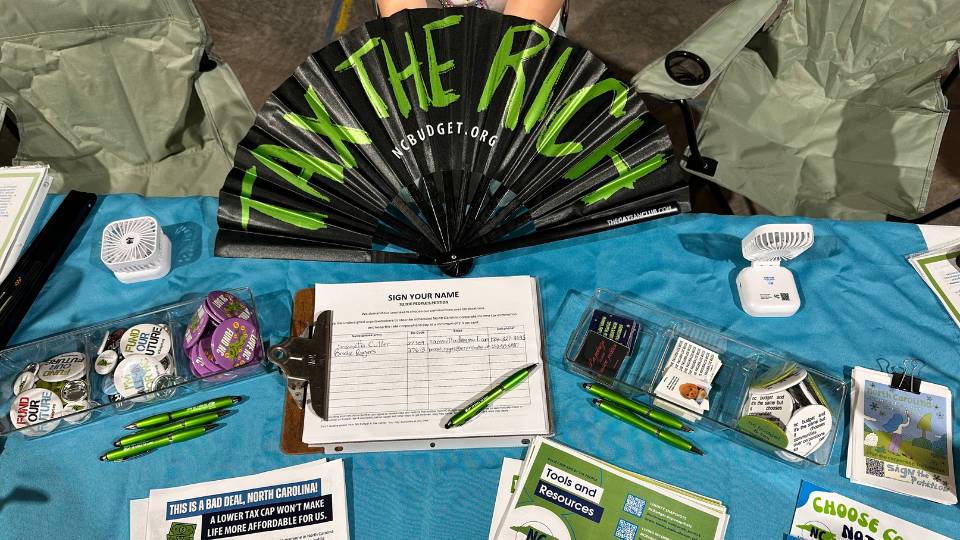
Beyond SPI, I appreciated being able to contribute to different parts of BTC’s work. I represented BTC at a tabling event in Durham to speak with community members about two constitutional amendments that will be on the ballot in November. I also participated in a press conference held by Somos Clave NC Coalition focused on extreme heat and North Carolina’s essential workforce. This experience was especially important to me because I am passionate about highlighting the contributions immigrant workers make to North Carolina’s economy, particularly when many pay taxes and contribute to systems they may not receive the full benefits and protections from.
In addition, I worked with BTC’s Language Justice group to build their bilingual language glossary. Our goal was to translate budget and tax terminology from English to Spanish, while ensuring it is still accessible and culturally relevant to the communities we were trying to reach. This project made me think more deeply about language accessibility in advocacy spaces, and I value BTC’s efforts to put people first and listens to the communities it serves.
This experience taught me that data and analysis can support advocacy efforts in our state, along with making complicated policy issues understandable to everyone. At the same time, I learned that numbers alone are not enough to move people to action. Understanding and listening to who is being impacted, and making sure all North Carolinians, no matter who they are or where they come from, have access to the policy process is crucial to creating a thriving state. My time at BTC has shown me how my passion for community organizing, data analysis, and public policy can work hand in hand, and I hope to continue using those interests to serve the communities I care about.