Better NC Fellowship
People across North Carolina are working to move important policy and systems change in collaboration with their communities and demonstrating that we can make a Better NC for more people.
The Better NC Fellowship is an opportunity for participants to gain a deeper understanding of public budgets, particularly at the state level. In partnership with the NC Black Alliance, we host a series of workshops that provide these community leaders with the knowledge and hands on experiences to make deeper connections to key issues in their advocacy and communities through an economic lens.
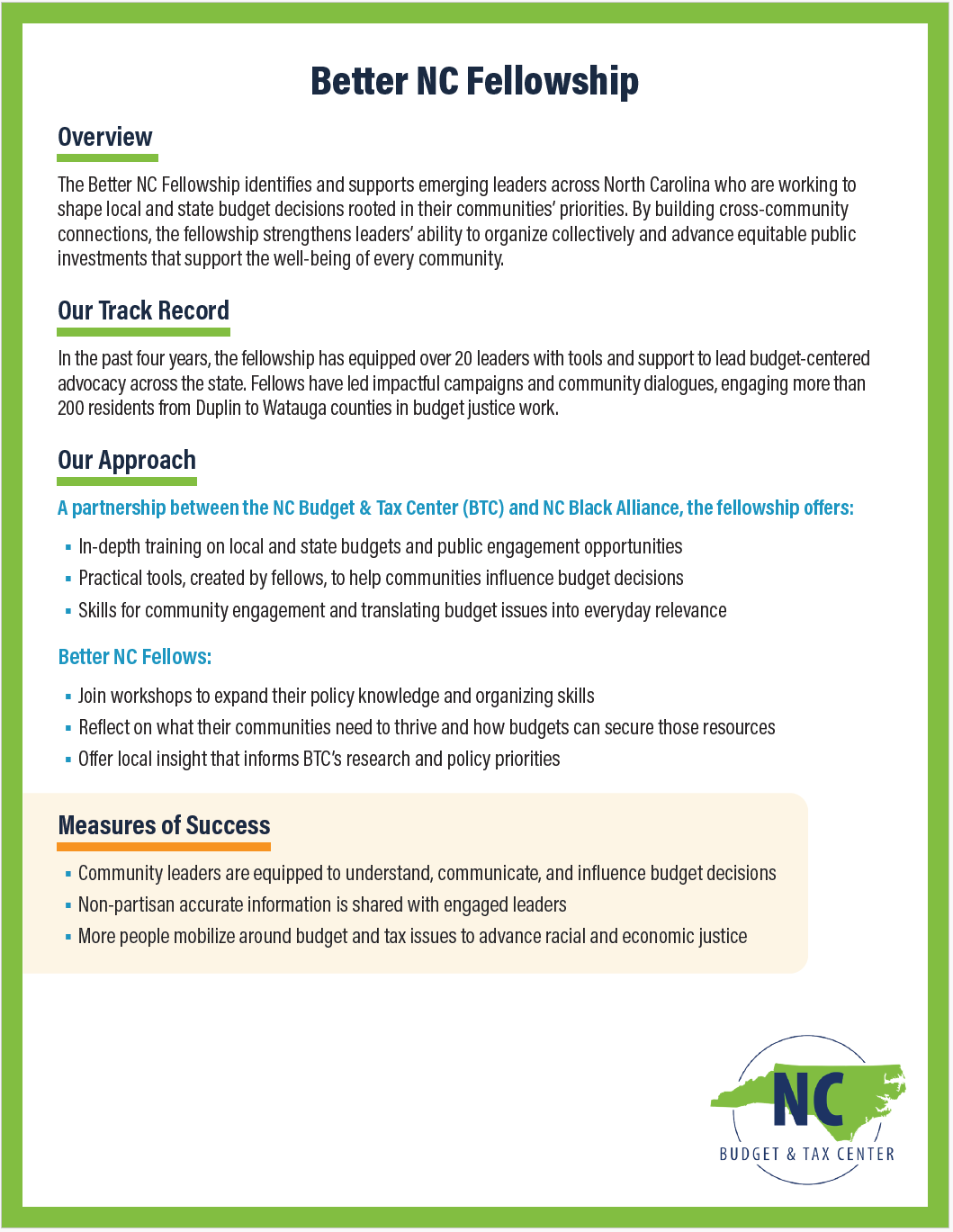
Better NC Fact Sheet
A fact sheet about the Better NC Fellowship, including our approach and how we measure success.
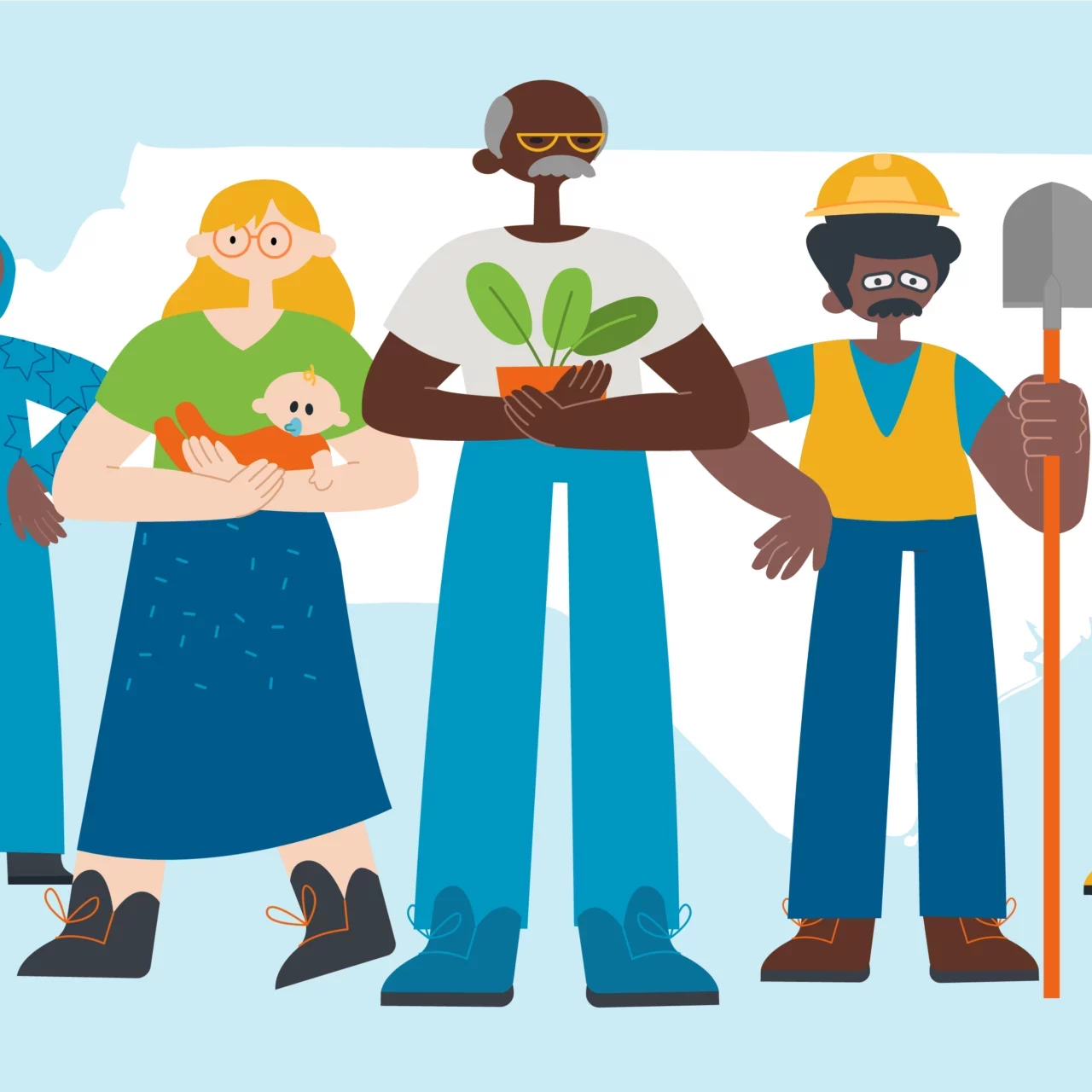
Click here to get notified when applications for the next BetterNC cohort open.
About the Fellowship
The purpose of the Better NC fellowship is to create connections across communities where leaders are working to advance budget decisions at the local and state level to improve well-being and include the public in the process.
During the course of the fellowship, the Better NC cohort will work with individuals from the NC Budget & Tax Center and NC Black Alliance to connect on:
- A deeper dive on local and state budget process and opportunities for public engagement;
- A set of tools for engaging community members in budget process and the identification of budget decisions made to date;
- A set of skills for planning community-based engagement and activities and communicating the importance of budgets to everyday lives
Better NC fellows will have the opportunity to connect with a network of community leaders and organizations working at the local and state level to identify opportunities for collaboration as well as previous program alumni.
Better NC fellows will be resourced outside of their personal stipend and expected to host a community conversation or workshop for their Community Priorities Project to support deeper engagement in the state or local budget process to advance a priority identified by the community.
Have Questions?
Reach out to our staff at [email protected] with all your inquiries that were not addressed on this webpage!
Frequently Asked Questions
Who is the ideal candidate for a BetterNC Fellowship?
The ideal candidate is someone who is passionate about advancing systems and policy change that uproots barriers of opportunity for Black, indigenous, and other people of color by driving public funds to community-identified and supported solutions.
The ideal candidate should demonstrate a basic knowledge about their community, an ability to communicate well to diverse groups of people, and a track record of engagement in policy advocacy.
The ideal candidate for this fellowship can commit to the virtual and in-person meetings, and take leadership on hosting a community conversation or workshop about the budget process. The ideal candidate will be available to their fellowship peers and staff at NC Budget & Tax Center and NC Black Alliance for debriefing and evaluation of the fellowship program.
What is the time commitment?
The fellowship learning programming will run from January to May 2026. Fellows will then have June to November 2026 to complete their Community Priorities Project and the 2026 cohort will rap up with a final in person celebration and debrief session in December 2026.
Fellows will complete no more than 100 hours of the fellowship. Commitments include:
- Attending all check-ins, virtual and in-person sessions
- Identifying connections between fellowship content and community work
- Engaging people in their community to identify priority issues impacted by the budget
- Hosting a community conversation before December 2026
Is there a stipend included?
Fellows may receive up to a $3,000 stipend to account for the time spent completing activities for the fellowship and the time spent planning for their community conversation and implementing community engagement activities.
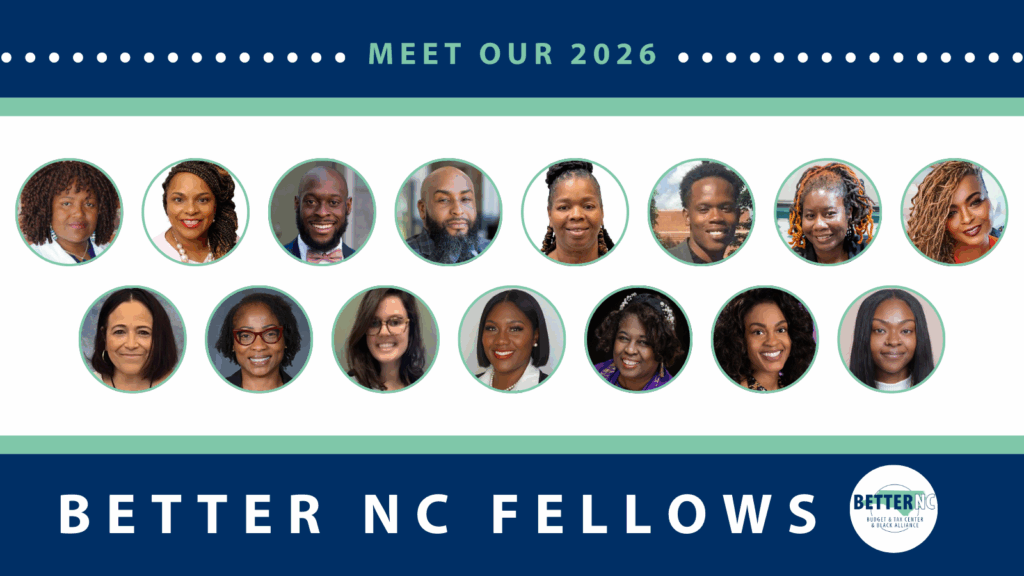
Meet Our 2026 Fellows
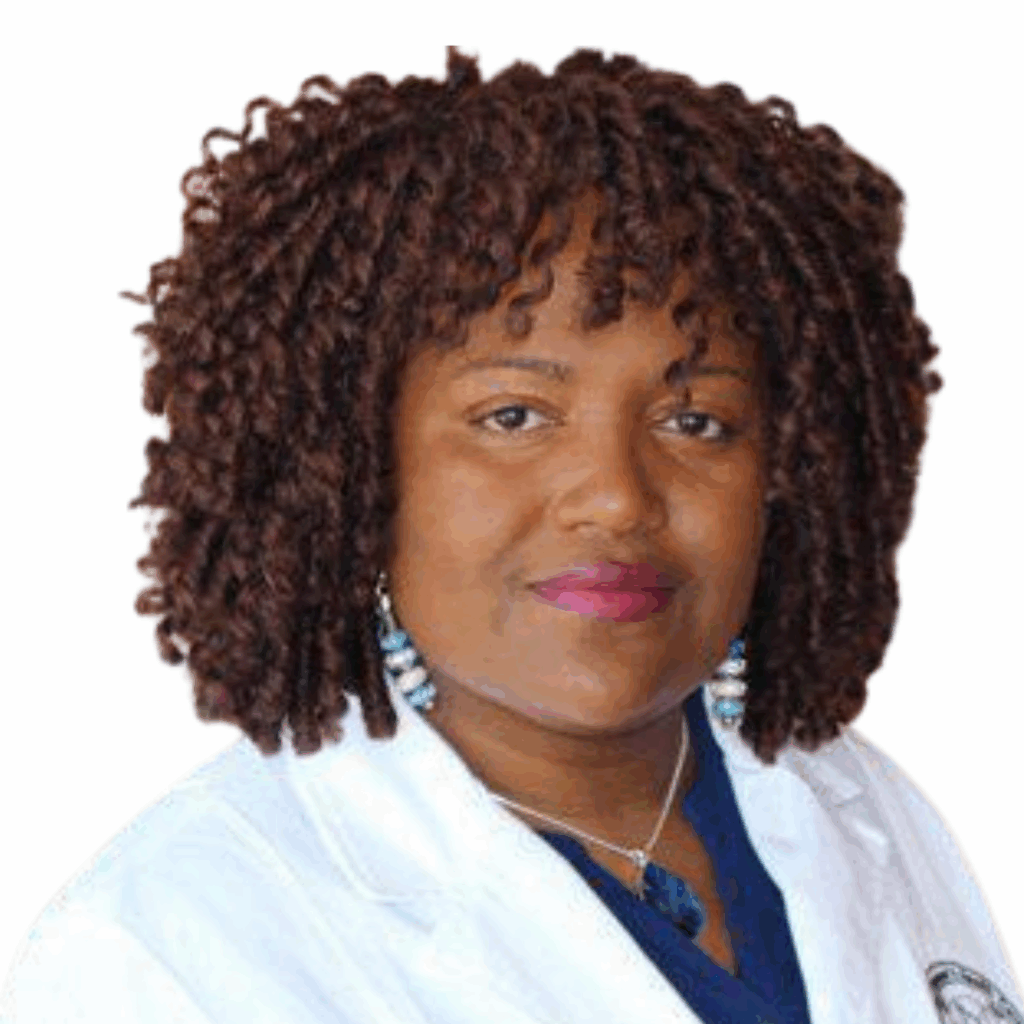
Makunda Abdul-Mbacke
- Guilford County
- Women's Health Activist and an ObGyn at Piedmont Preferred Womens Healthcare Associates Inc.
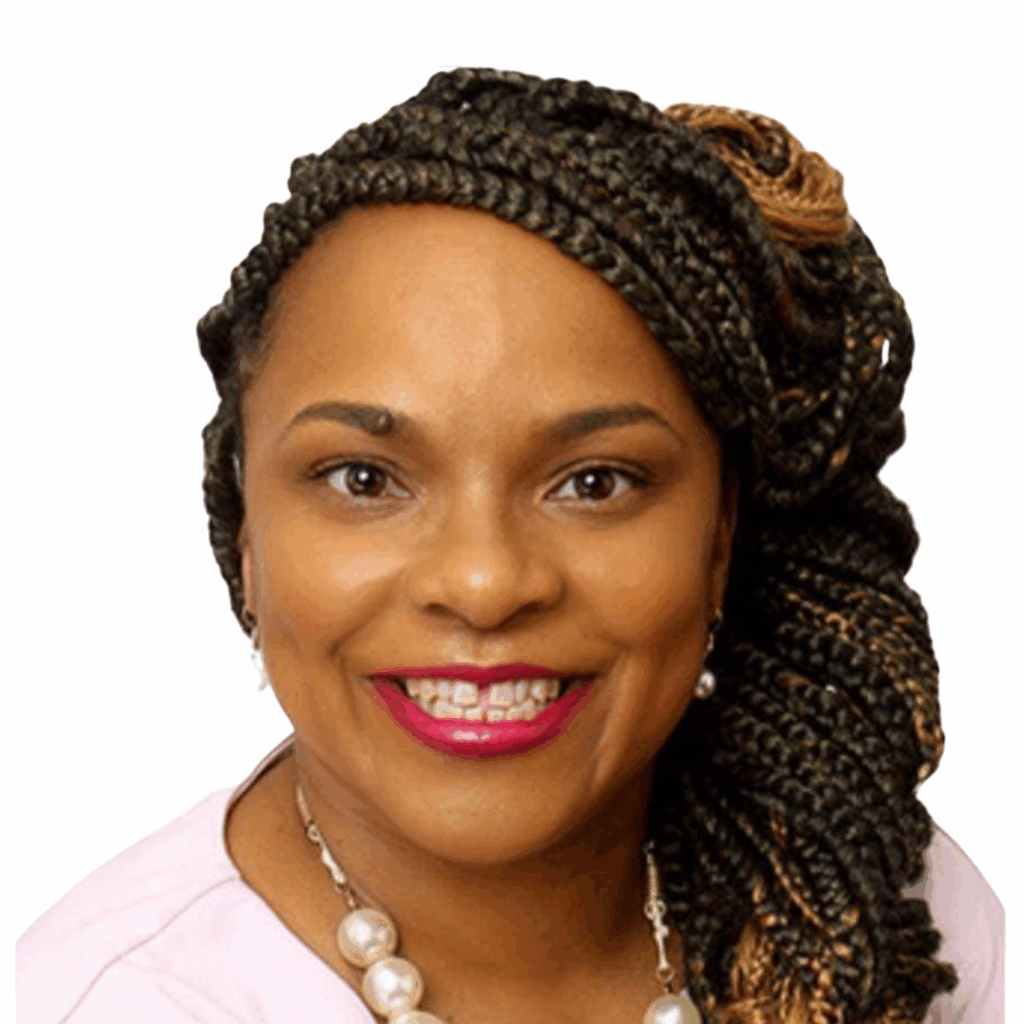
Sherri Allgood
- Montgomery, Moore, Randolph, Richmond, and Stanly Counties
- Executive Director of Sandhills Cooperation Association
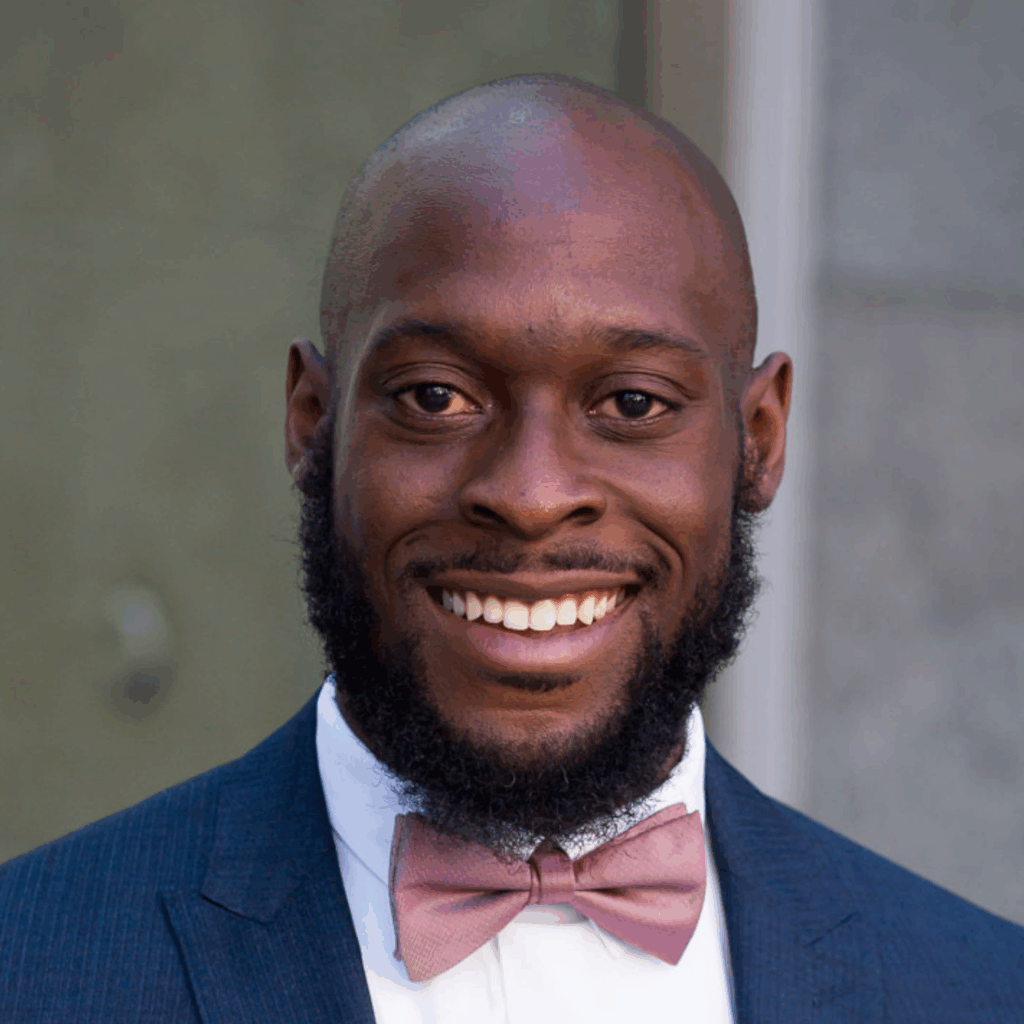
Kamal Bell
- Durham County
- Founder of Sankofa Farms LLC.
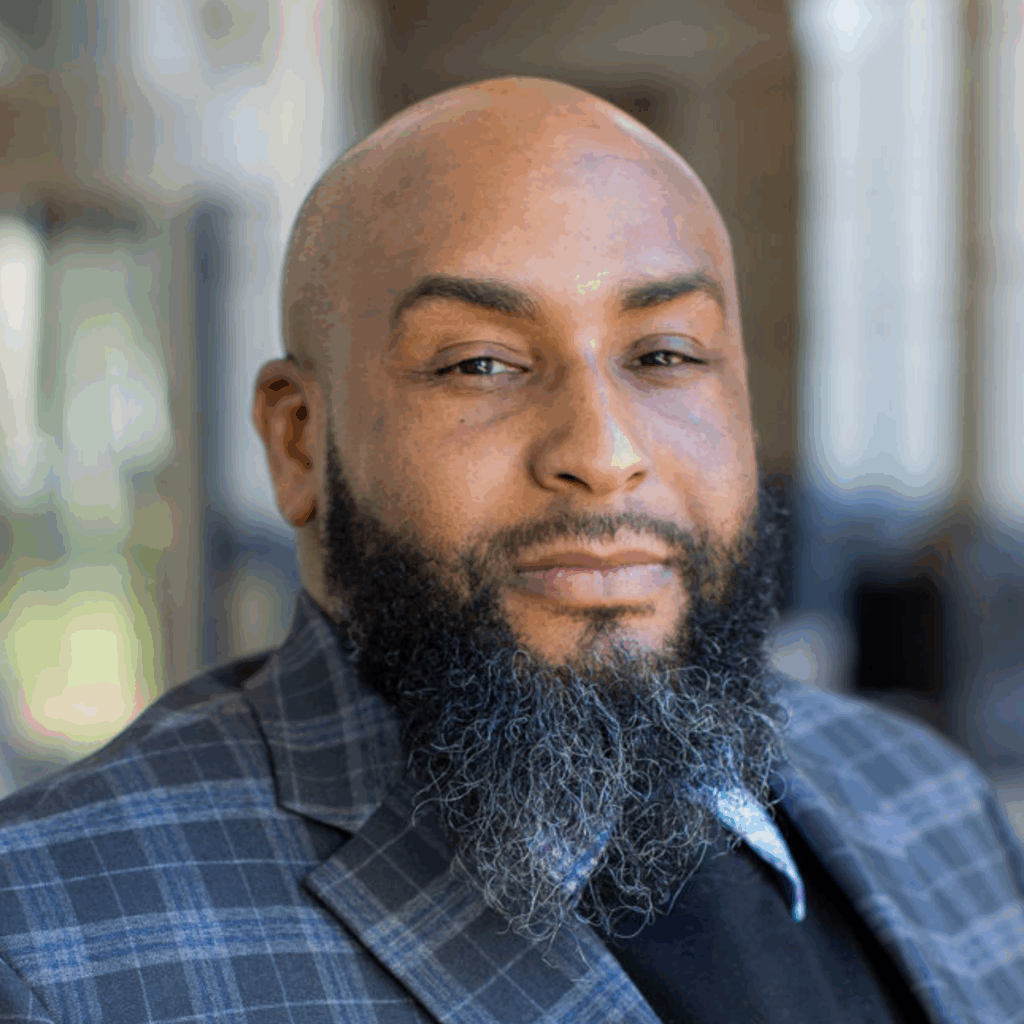
Benjamin Goodwin II
- Randolph County
- Educator and Community Advocate in Asheboro NC
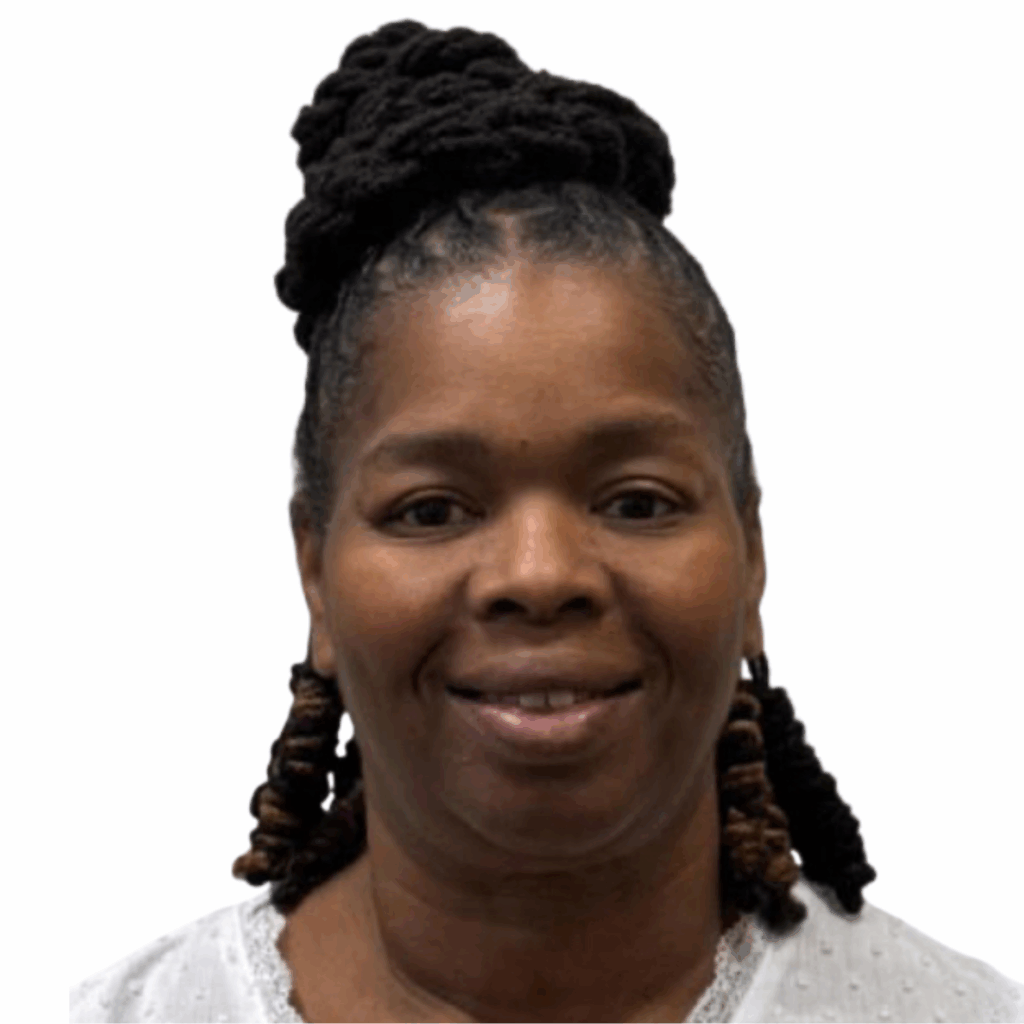
Evelyn Hill
- Mecklenburg County
- Student and Advocate
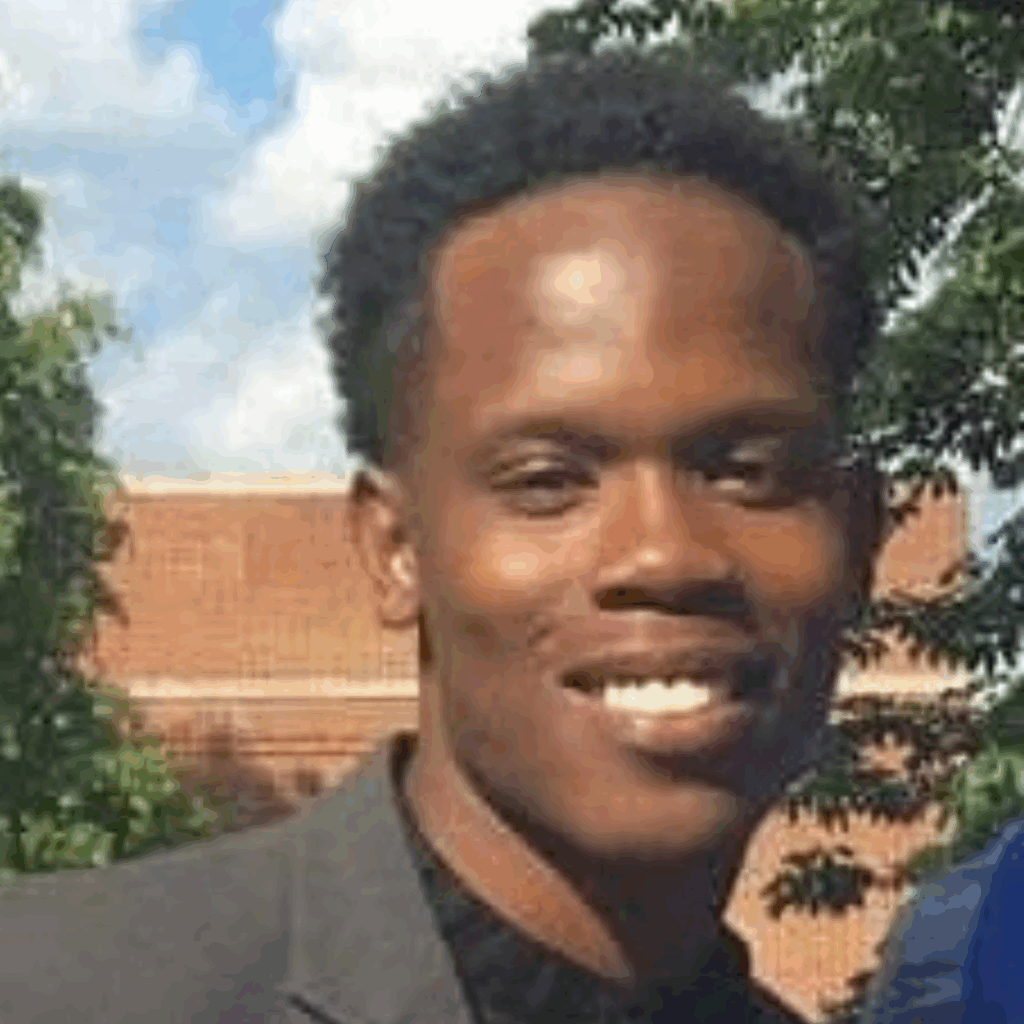
Tyshaun Johnson
- Buncombe County
- Social Entrepreneur and Activist
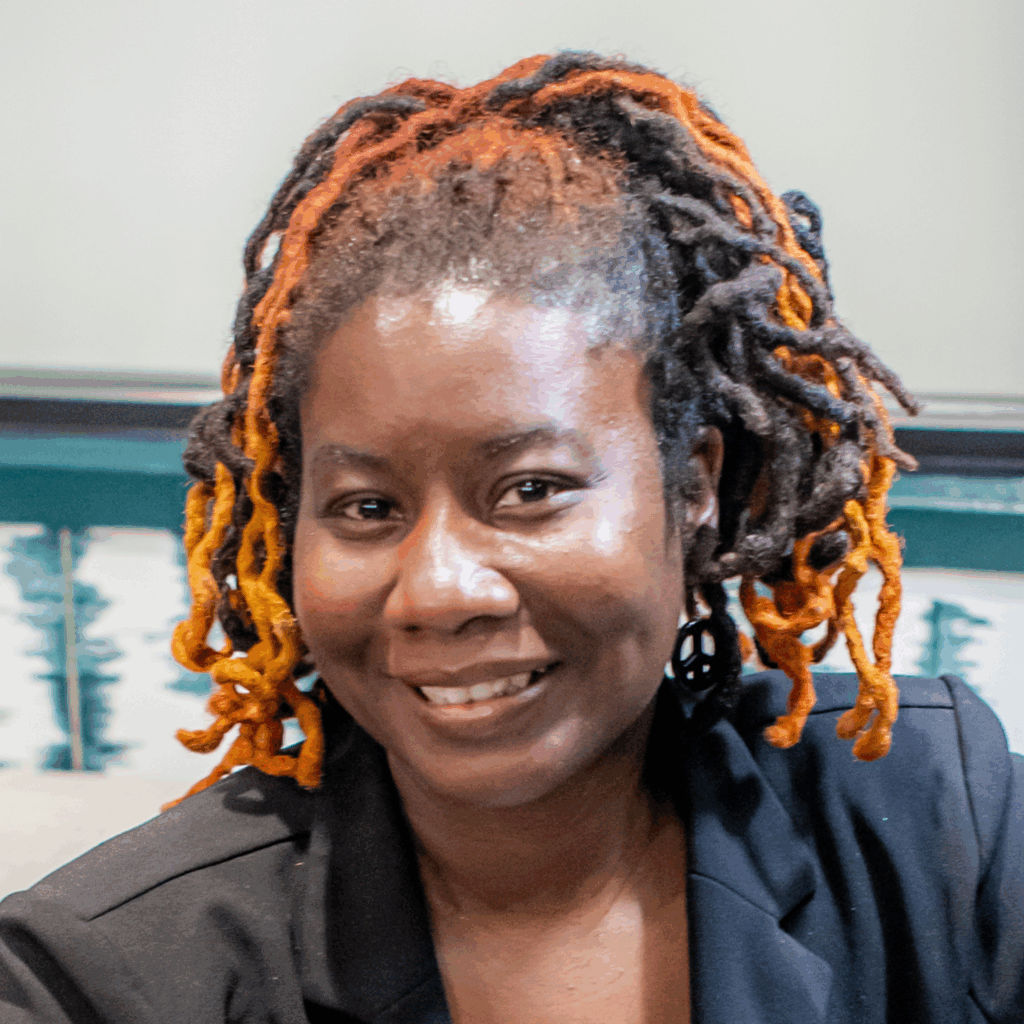
Apryl Lewis
- Mecklenburg County
- Founder and Principal Consultant - Kinetic Works LLC - Community Organizer/Housing Justice Advocate/Strategist in Mecklenburg County

Arleatha Patterson
- Winston-Salem, Forsyth County
- Community Engagement Associate at Partnership for Prosperity with United Way of Forsyth County

Nancy Rogers
- Edgecombe County
- Building Equity in Early Childhood Systems (BEECS), Assistant Director of Foundation Builders Academy
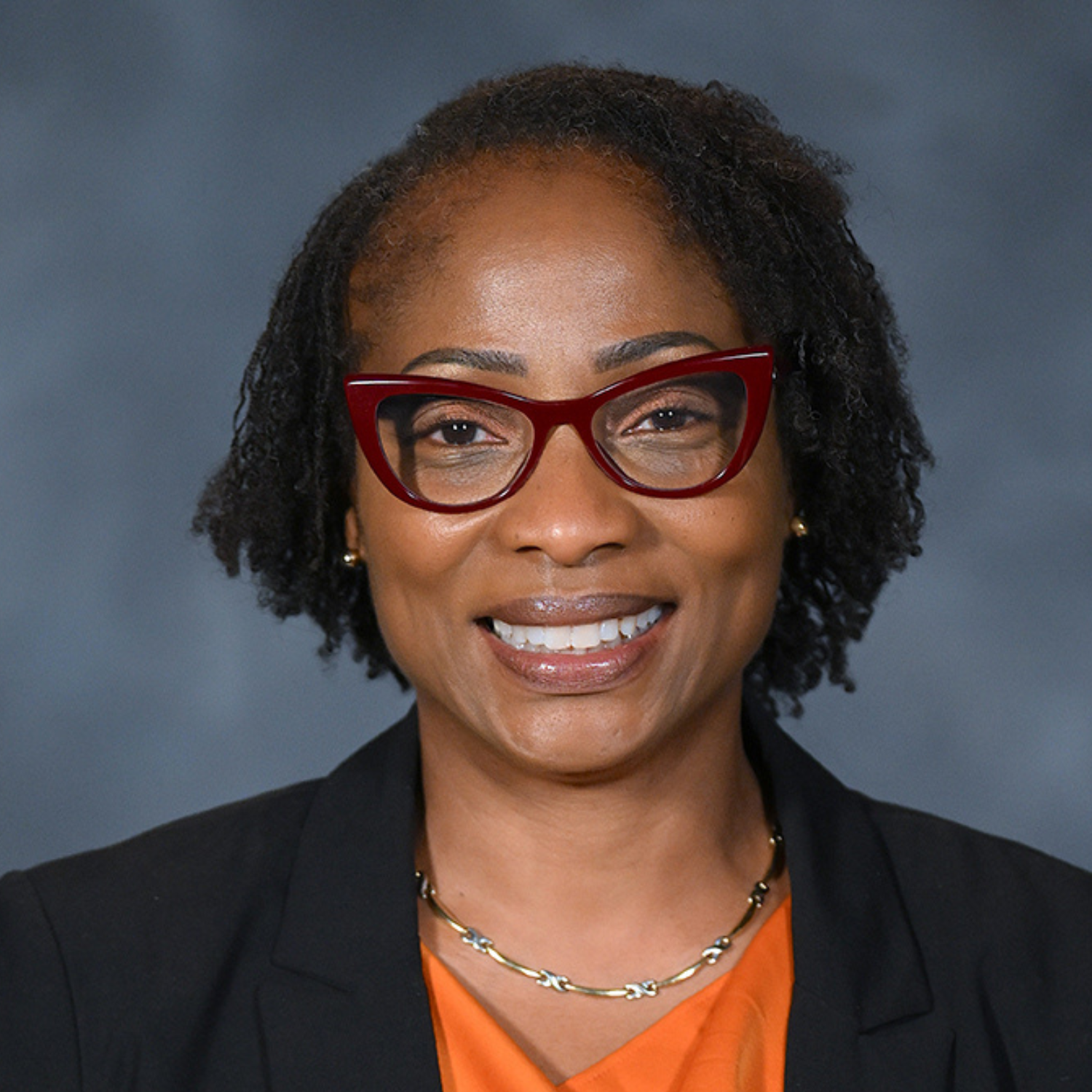
Amanda Smith
- Harnett & Cumberland County
- Riverside Community Action Network, Vice President; Fayetteville Alumnae Chapter, Delta Sigma Theta Sorority, Inc., President
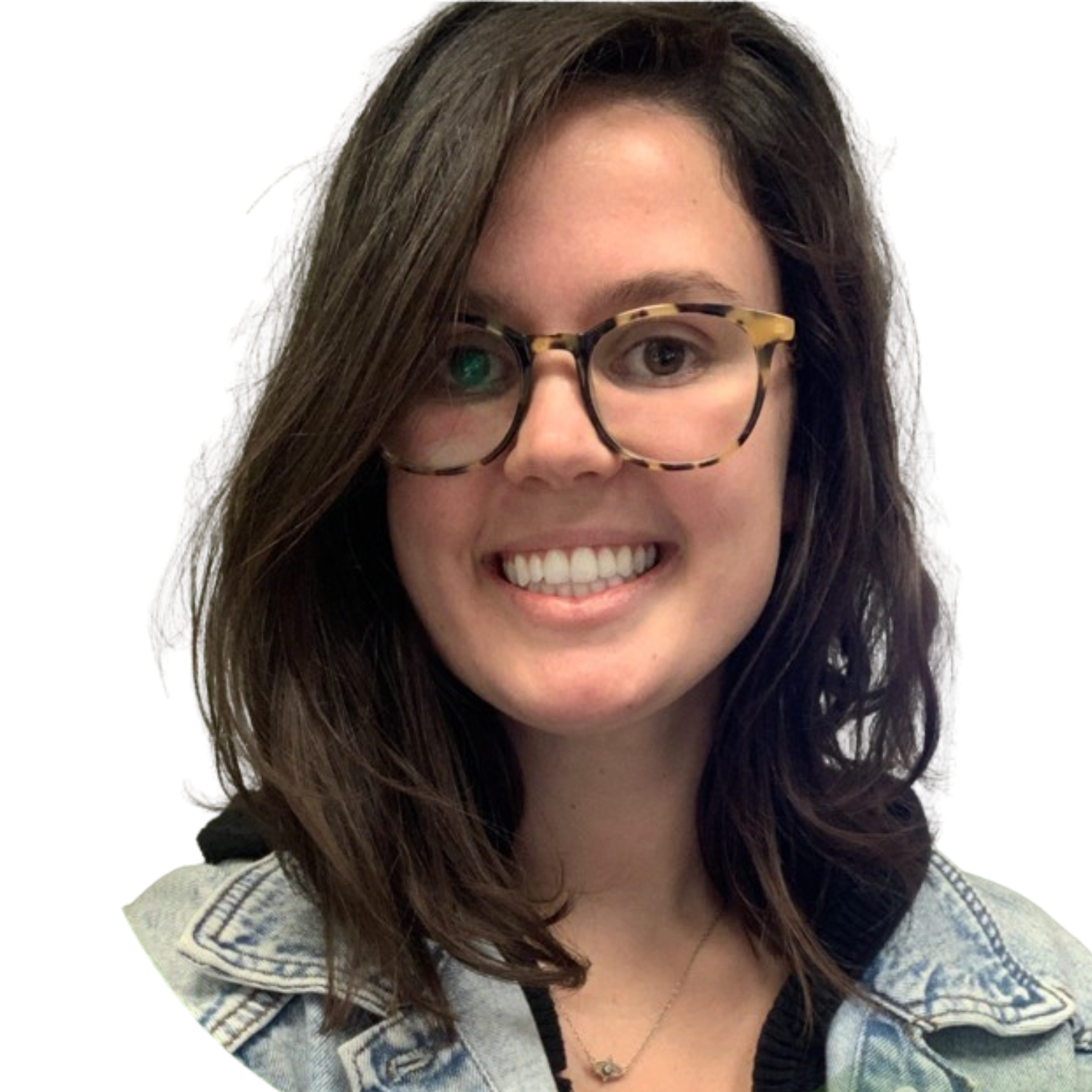
Mary Spain
- Mecklenburg County
- Charlotte-based organizer supporting community-led solutions around housing stability, public transit, and food access.
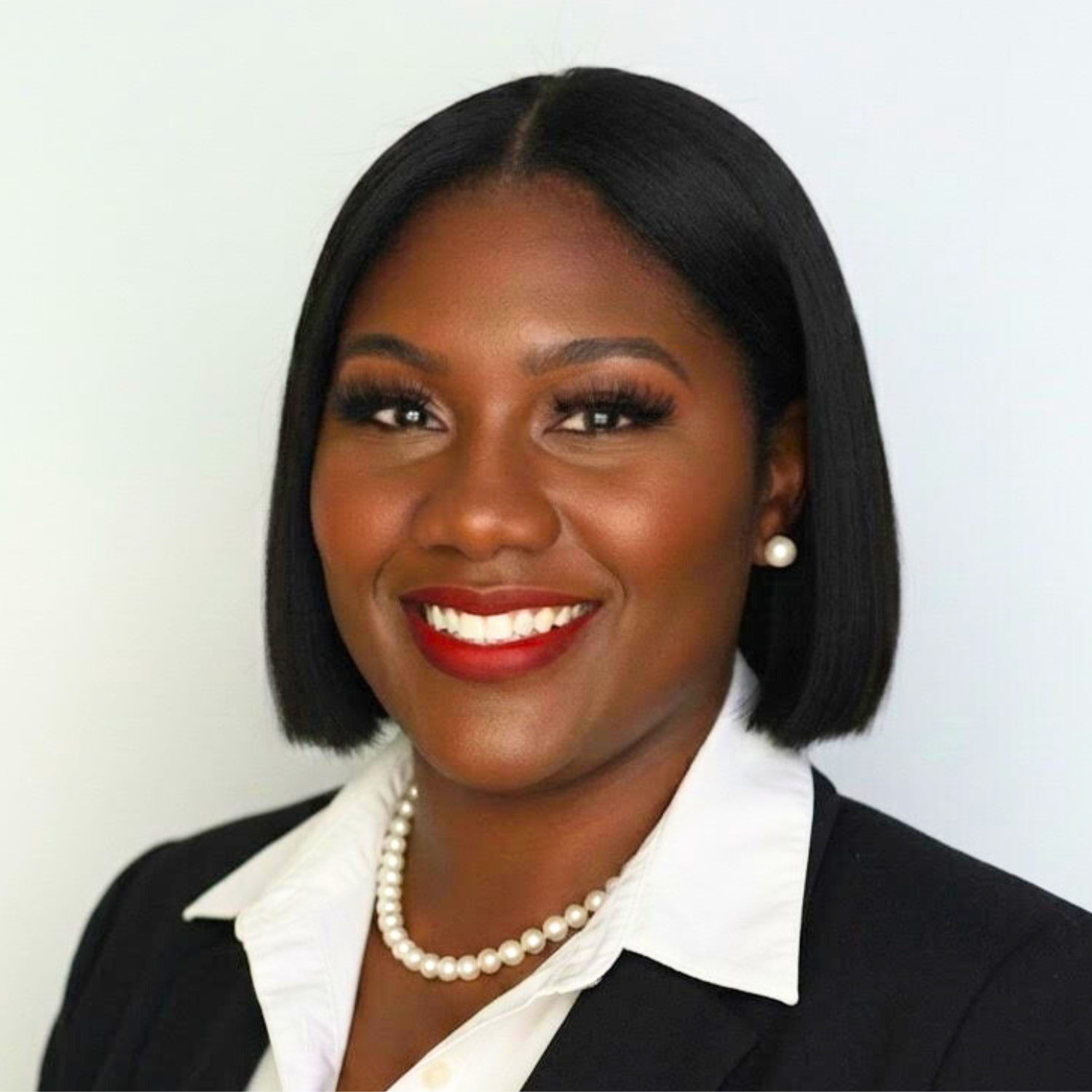
Taraza Tyler
- Durham County
- MPA Graduate Student at NC Central University
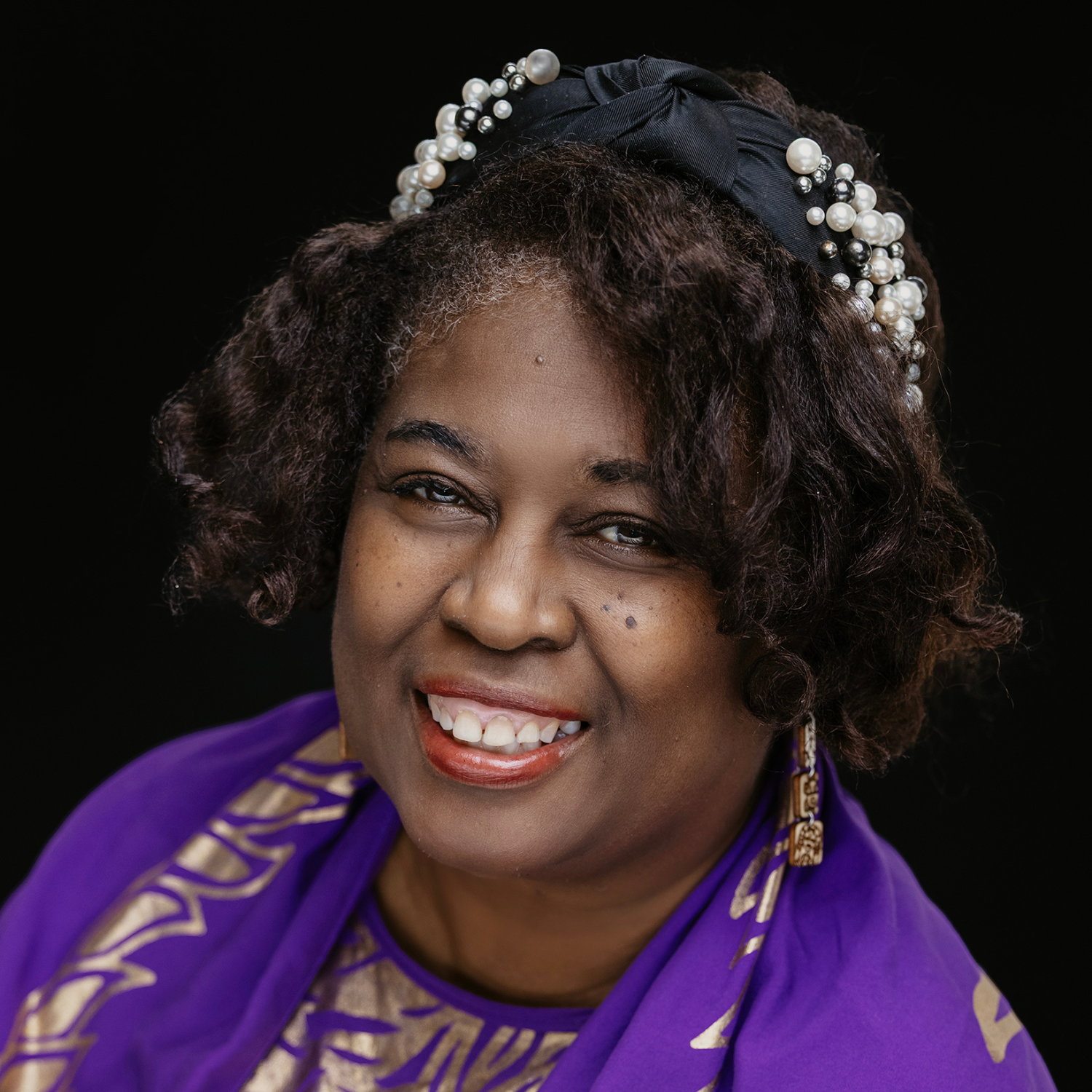
Phyllis Utley
- Buncombe County
- NC Black Leadership Organizing Collective Ambassador - Human Rights Policy Officer
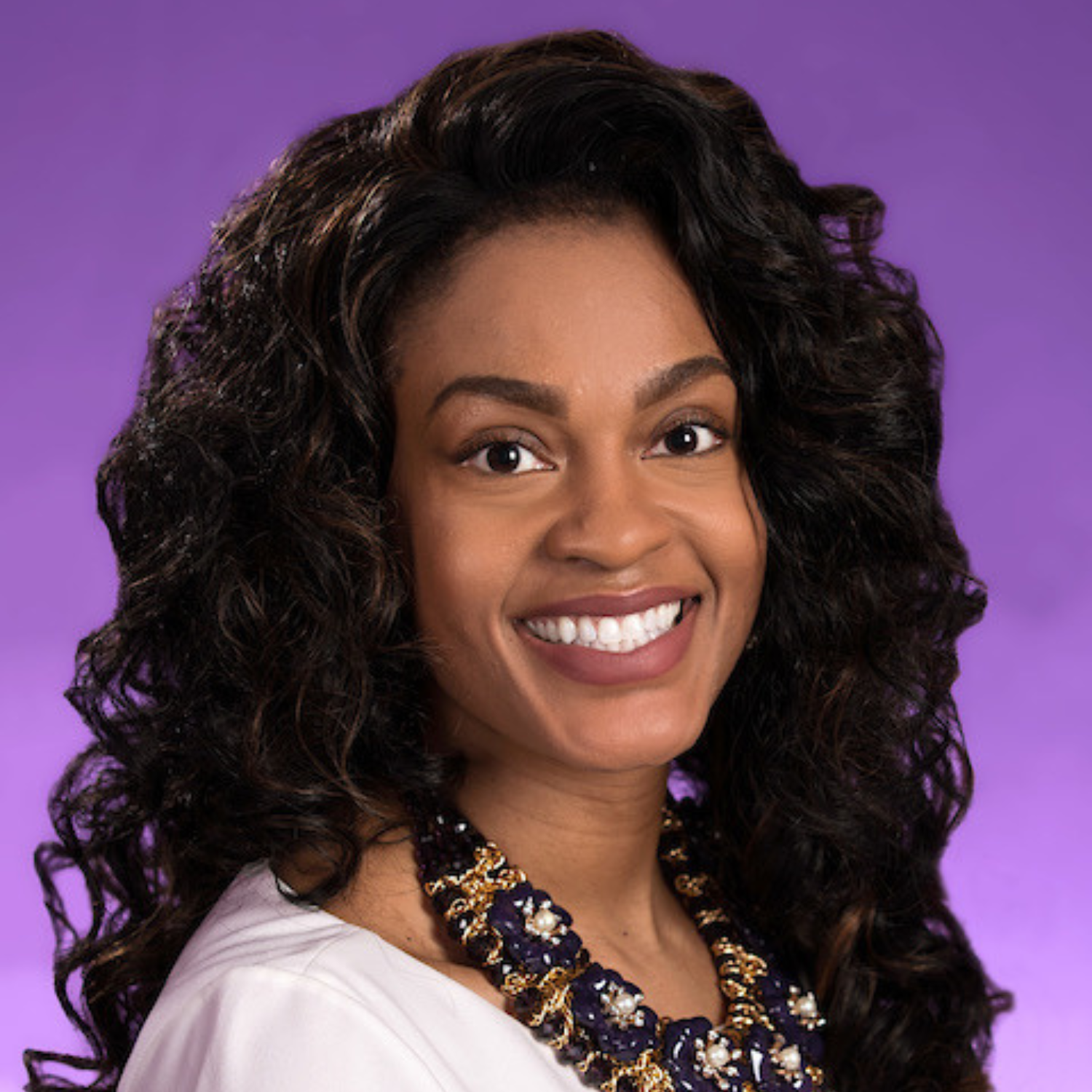
Crystal Waters
- Bertie County
- Human Relations Program Manager, Town of Chapel Hill; Board of Directors, Disability Rights NC; Spirit and Inspiration Committee, Mid Atlantic Region, Alpha Kappa Alpha Sorority Inc.;
PhD Student, East Carolina University;
Leadership Academy, National Career Development Association;
Worship Arts Ministry, Wake Chapel Church
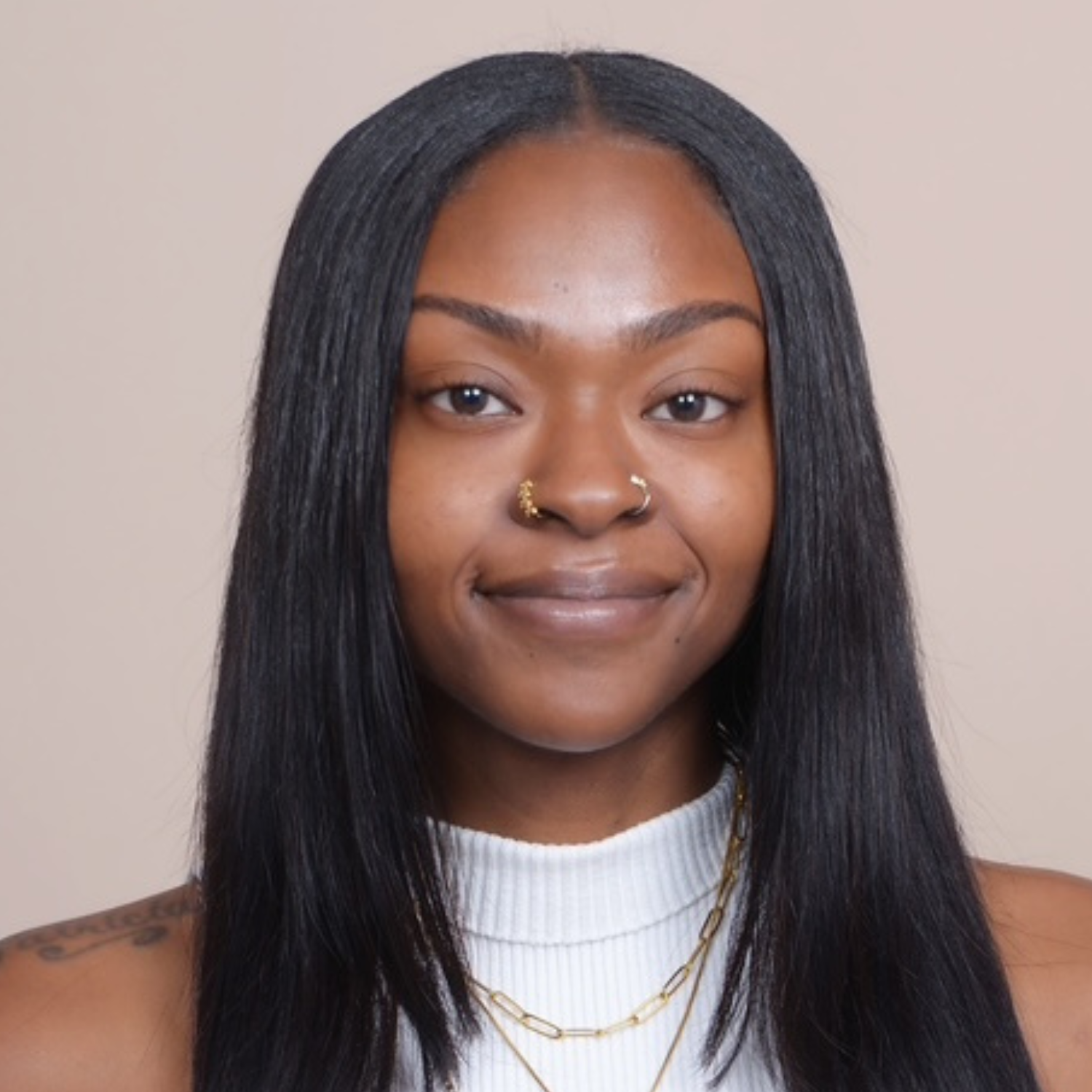
Imanie Williams
- Durham County
- Prevention and Education Manager at Orange County Rape Crisis Center, Co-Founder of InvolvHER, Community Consultant for The City of Durham, and Freelance Social Impact Consultant
Previous Better NC Fellows
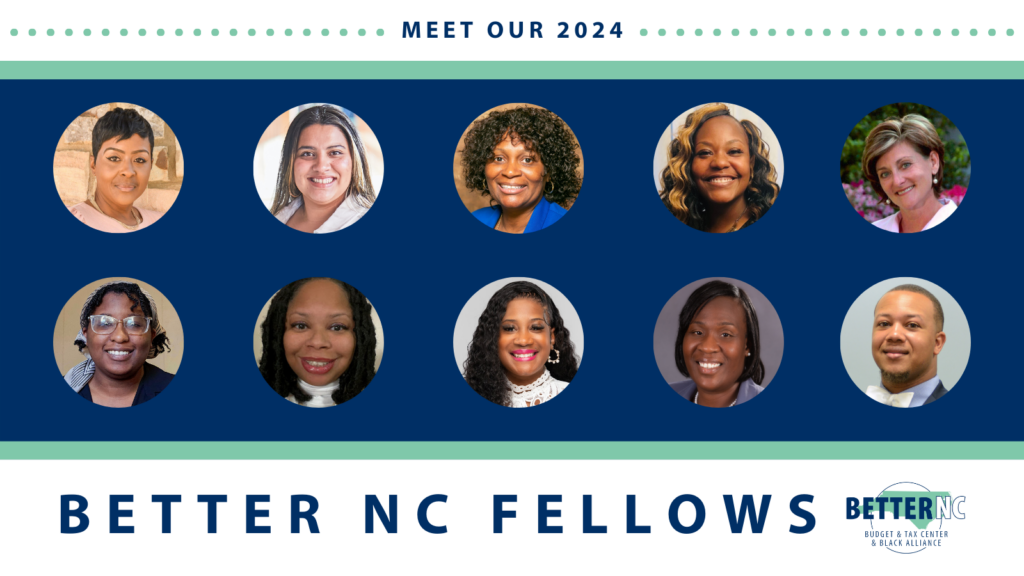
Our fellows are incredible leaders across North Carolina who are equipped to advocate for a better future for their communities! Learn more about our previous cohorts below,