Welcome our 2026 Better NC Fellowship Cohort!
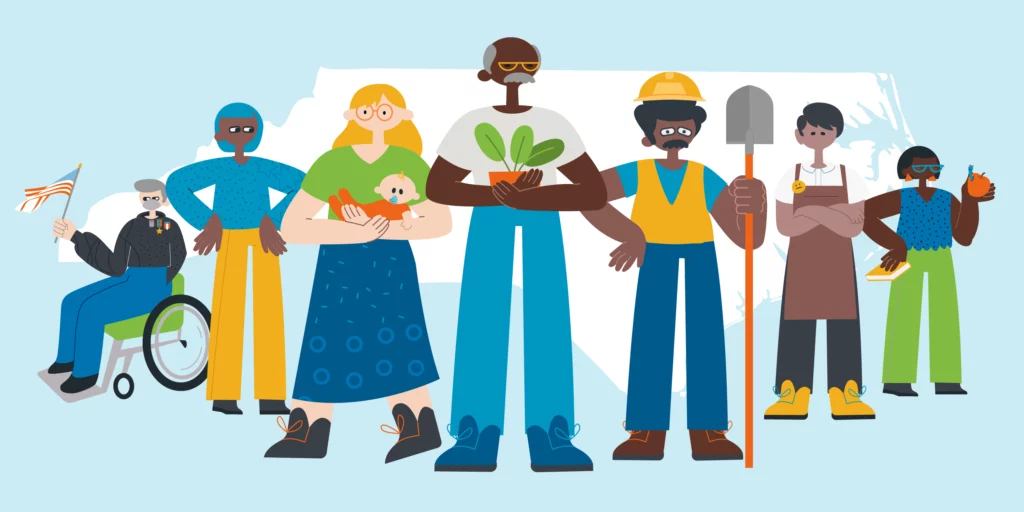
The North Carolina Budget & Tax Center is excited to announce the 2026 cohort of the Better NC Fellowship! This year, we welcome our largest cohort yet, with fifteen North Carolina leaders representing eight counties across the state.
In collaboration with the NC Black Alliance, the NC Budget & Tax Center hosts the Better NC Fellowship — a 6-month program for North Carolina leaders to deepen their understanding and engagement with fiscal and economic policies in connection to the work they are doing in their communities. The fellowship aims to create connections across communities as fellows work to advance budget decisions at the local and state level that includes the public in the process and improves their well-being.
We are thrilled to collaborate with these remarkable leaders who are eager to create opportunities for all North Carolinians — no matter who they are or where they live — to be part of the budget process and have their voices heard.
The 2026 Better NC Fellows:
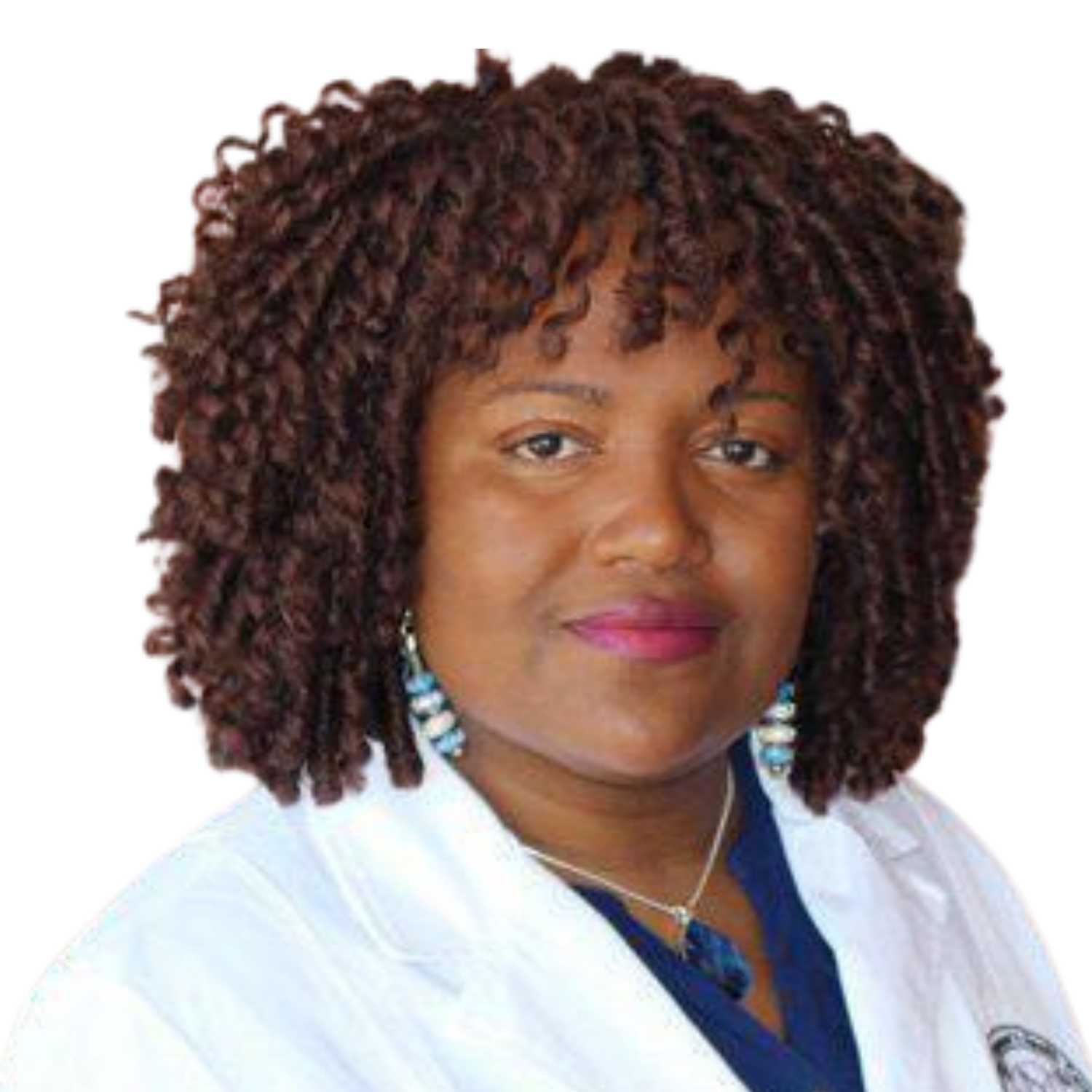
Makunda Abdul-Mbacke (She/Her/Hers)
- Guilford County
- Makunda has or is currently working with the following communities and/or organizations: Women's Health Activist and an ObGyn at Piedmont Preferred Womens Healthcare Associates Inc.
- Why she is interested in learning about the state and local budgets: "I am interested in learning more about state and local budgets because I believe that sustainable progress in health equity depends not only on strong advocacy but also on a clear understanding of how financial decisions are made and prioritized. After nearly two decades working in direct service as an OB-GYN, as well as in community advocacy and policy development, I have seen how even the most well-intentioned initiatives can falter without equitable and transparent budget processes.
Learning how budgets are developed, debated, and implemented will enable me to identify opportunities to redirect funding toward preventive care, community-based health programs, and maternal health initiatives in underserved areas.
I anticipate using this knowledge to strengthen my ongoing engagement with my community by helping residents understand how public funds are allocated and how they can advocate for more inclusive, equitable investments. Ultimately, this experience will equip me to bridge the gap between clinical insight, community needs, and policymaking — ensuring that the voices of those most affected by inequities are reflected in the budgets that shape their lives."
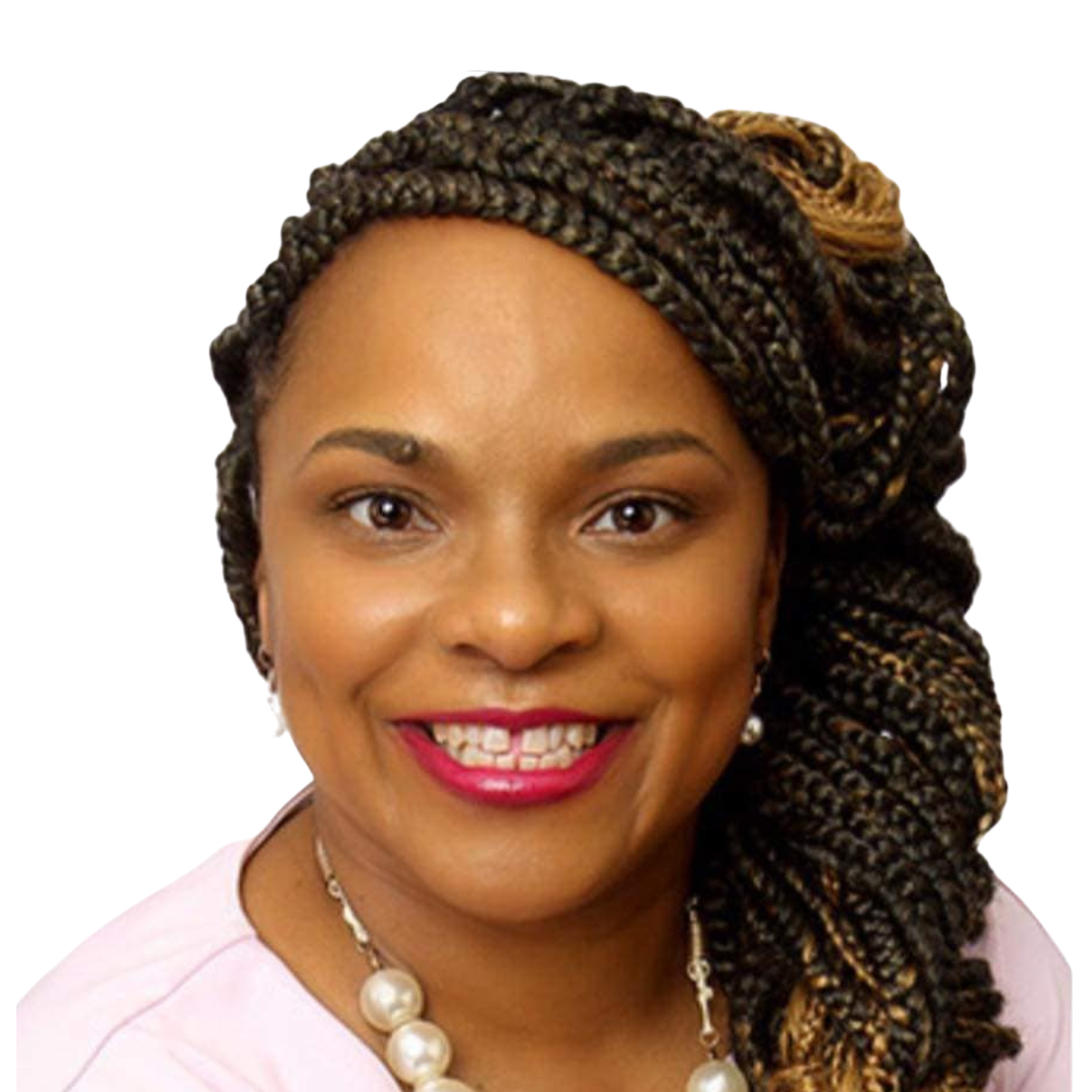
Sherri Allgood (She/her/hers)
- Montgomery, Moore, Randolph, Richmond, and Stanly Counties
- Sherri has or is currently working with the following communities and/or organizations: Executive Director of Sandhills Cooperation Association
- Why she is interested in learning about the state and local budgets: "My experience managing budgets as mayor and nonprofit executive director has shown me that budgets are moral documents; they reflect our values and priorities. However, I've also seen how complex budget processes can exclude community voices, particularly in rural and marginalized communities.
I want to deepen my understanding of state budget processes because many issues that affect my community, from education funding to criminal justice reform, require state-level advocacy. My recent experience with the criminal legal system has highlighted how budget decisions about prosecution, incarceration, and community alternatives directly impact families and communities.
I anticipate using this knowledge to train other community leaders to engage effectively in budget advocacy, help residents understand how state and local budget decisions affect their daily lives. develop more strategic approaches to securing funding for community-identified priorities, create tools and workshops that make budget information accessible to diverse audiences, and incorporate what I learn into our Engineer of Community Development curriculum, which will equip community champions across rural communities to advocate for equitable resource allocation. "
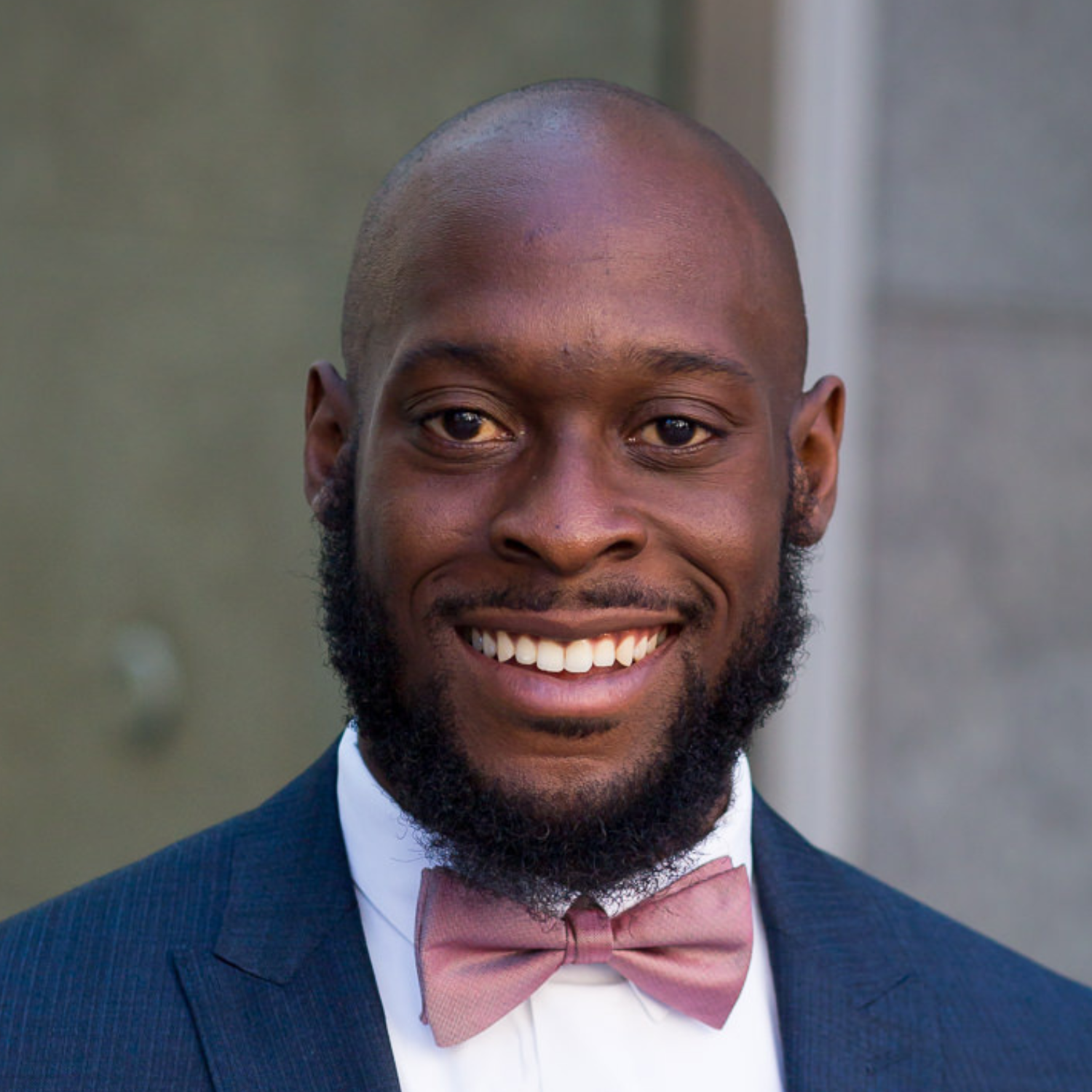
Kamal Bell (He/Him/His)
- Durham County
- Kamal has or is currently working with the following communities and/or organizations: Founder of Sankofa Farms LLC.
- Why he is interested in learning about the state and local budgets: "I’m interested in learning more about state and local budgets because I want to better understand how resources flow and how they can be connected to models like Sankofa Farms. My goal is to identify and leverage opportunities within public systems to strengthen community impact. I also hope to build partnerships with policymakers and institutions that can help amplify the work we’re already doing.Historically, our communities have faced deep political trauma that has often led to mistrust of government structures. While that caution is understandable, I believe we’re in a new moment where engaging with these systems strategically can open real pathways for change. Political education is essential. As community members and constituents, we should know how budgets work and how to engage with them effectively. This knowledge will help us develop community-based strategies to address local challenges more systematically. Our situation is unique because we operate in both rural and urban contexts, living in Durham County but farming in Orange County, and understanding how budgets function across those levels will help us bridge gaps, advocate effectively, and build more resilient local systems."

Benjamin Goodwin II (He/Him/His)
- Randolph County
- Benjamin has or is currently working with the following communities and/or organizations: Educator and Community Advocate in Asheboro NC
- Why he is interested in learning about the state and local budgets: "I am interested in learning more about state and local budgets to grow my community advocacy and so that I can teach and train others within my community in what I learn from this opportunity. Additionally, I will use the tools I learn in this opportunity to better understand and advocate for a more equitable distribution of investment within my community."
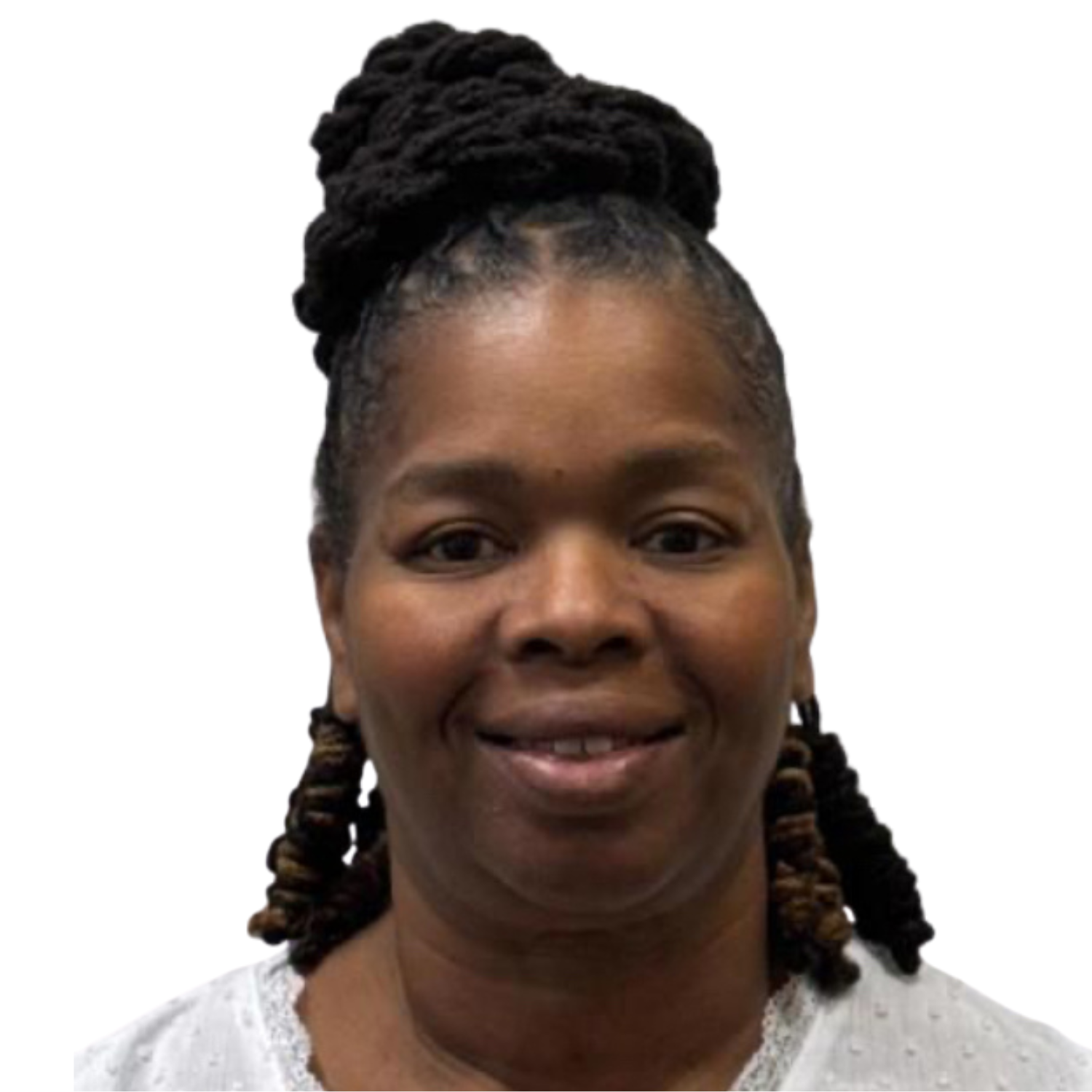
Evelyn Hill (She/Her/Hers)
- Mecklenburg County
- Evelyn has or is currently working with the following communities and/or organizations: Student and advocate
- Why she is interested in learning about the state and local budgets: "I’m interested in learning more about state and local budgets because I believe understanding how public funds are allocated is key to creating real, lasting change in our communities. Many of the issues I care deeply about such as affordable housing, reentry programs, and workforce development depend on budget decisions made at the state and local levels. By learning how budgets are created, prioritized, and implemented, I can better advocate for equitable funding that supports justice-involved individuals, low-income families, and community-based initiatives that often struggle for resources. I plan to use this knowledge to strengthen my advocacy and community engagement efforts. When I spoke at the Charlotte City Council meeting for the $50 million housing bond, I saw firsthand how financial decisions directly impact people’s access to safe and affordable housing. Understanding the budgeting process will help me translate community needs into practical recommendations and ensure public dollars are used effectively.
This experience will also enhance my ability to mentor and educate others especially women in reentry about how government systems operate and how to make their voices heard in those spaces. My goal is to bridge the gap between community members and decision-makers, empowering people to take part in shaping the policies and budgets that affect their daily lives. "
Tyshaun Johnson (He/Him/His)
- Buncombe County
- Tyshaun has or is currently working with the following communities and/or organizations: Social Entrepreneur and Activist
- Why he is interested in learning about the state and local budgets: "Community engagement matters deeply to me because we are born into systems that place many of us on the periphery — systems shaped by narratives, policies, and incentives that were not created for us, and often against us. To resist that, we must engage, imagine collectively, and build alongside our neighbors. For me, individual success is inseparable from community success. I cannot be fulfilled if it is harder for a young Black kid to become a community advocate or access healing resources than it is to find pathways into violence or despair. Done well; community engagement creates social cohesion, fosters economic possibility, and provides space to acknowledge and heal collective wounds.One of my earliest formative experiences in this work was with Youth Empowered Solutions (YES!). As a high school student in Asheville, I led a youth-driven project mapping food deserts and used that data to propose a “Second-Chance Breakfast” program in my school. We later presented this work at the 2012 Southern Obesity Summit, where I had the chance to see national and regional leaders — including then Charlotte Mayor Anthony Foxx, Nashville Mayor Karl Dean, and Hernando, Mississippi Mayor Chip Johnson — take seriously the perspectives of young people. That access showed me firsthand how community engagement, when done correctly, can break down socioeconomic barriers and ensure that the voices of those on the margins are not only heard but respected.
Through this process I learned that data becomes powerful when paired with lived experience, that small wins can create momentum (as when my brother secured a paid role tied to the program), and that true engagement surfaces hidden priorities, such as transportation or stigma, which reshape solutions. These lessons have stayed with me: community engagement is not charity or token consultation — it is the foundation for systems change, enabling those at the periphery to become architects of policy and design."
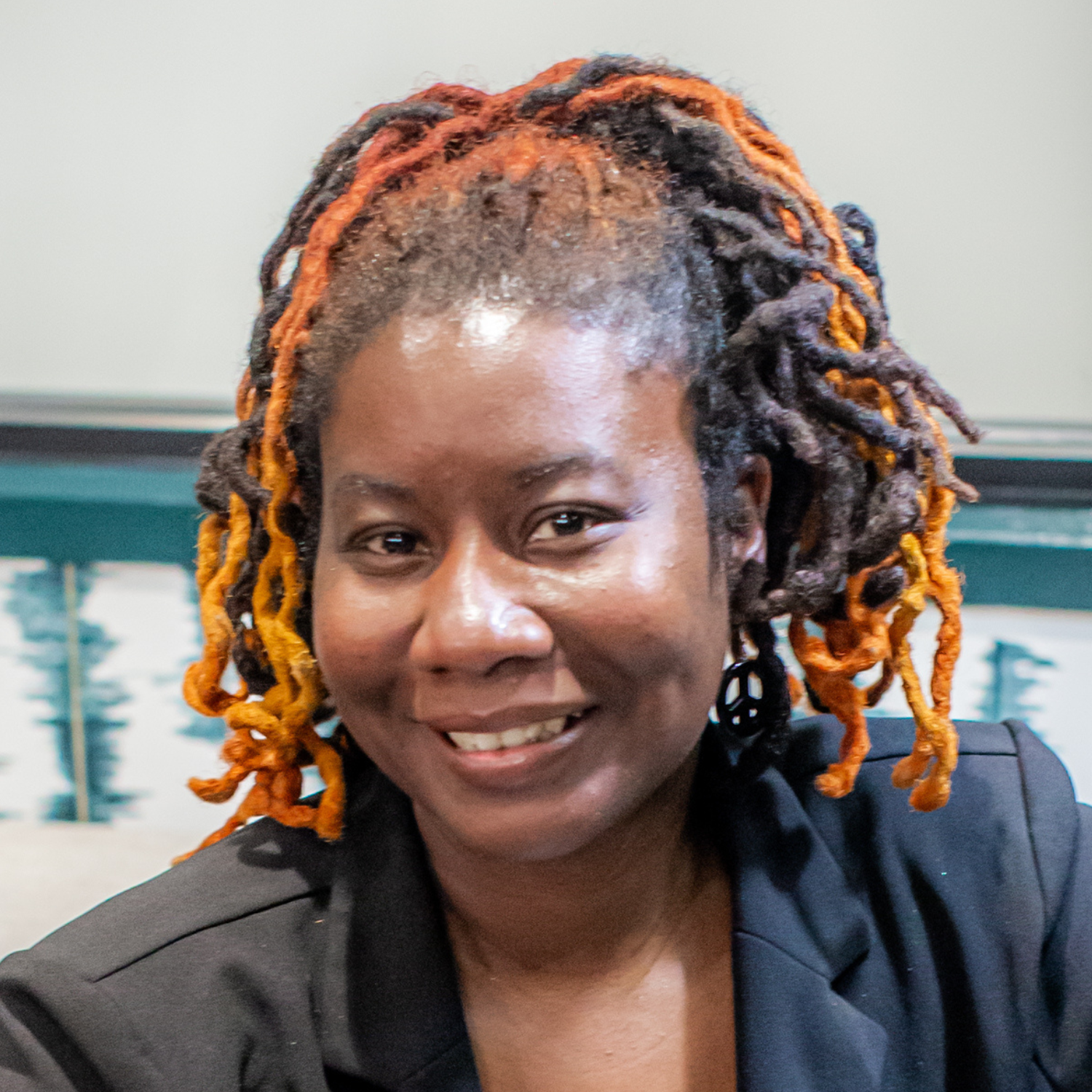
Apryl Lewis (She/her/hers)
- Mecklenburg County
- Apryl has or is currently working with the following communities and/or organizations: Founder and Principal Consultant - Kinetic Works LLC - Community Organizer/Housing Justice Advocate/Strategist in Mecklenburg County
- Why she is interested in learning about the state and local budgets: "Budgets are moral documents — they show what we truly value. I want to deepen my understanding of state and local budget structures, priorities, and advocacy levers so I can help my community navigate these systems and demand fairer investments.Right now, too many decisions about housing, youth services, and crisis response are made without input from the people who are most affected. By learning more about how these budgets are formed and how to influence them, I can work with residents and partners to propose data-driven, community-led funding solutions, such as:
- A Community Stabilization Fund for displaced families,
- Sustained investments in youth outreach and violence prevention, and
- Budget transparency measures that hold agencies accountable.
This knowledge will help me turn advocacy into practical change — helping residents not just react to crises but proactively shape the systems that impact their lives."

Arleatha Patterson (She/Her/Hers)
- Winston-Salem, Forsyth County
- Arleatha has or is currently working with the following communities and/or organizations: Community Engagement Associate at Partnership for Prosperity with United Way of Forsyth County
- Why she is interested in learning about the state and local budgets: "As a Community Engagement Manager, I’m deeply invested in understanding state and local budgets because they are the blueprint of our values — and too often, those blueprints leave our communities behind. Learning how these budgets are built, allocated, and monitored gives me the tools to advocate for transparency, equity, and accountability where it matters most.
Take our public school system, for example. When budgets are misaligned or lack community input, we see fallout: underfunded classrooms, outdated materials, and overworked educators. These aren’t just numbers — they’re missed opportunities for our youth. By understanding the mechanics of budget processes, I can help residents connect their lived experiences to policy decisions, push for inclusive investments, and ensure that funding reflects real needs — not just political priorities.
This knowledge empowers me to translate complex financial decisions into accessible visuals and conversations, so our community can show up informed and ready to lead. Because when we understand the budget, we can reshape it — and reclaim our power in the process."

Nancy Rogers (She/Her/Hers)
- Edgecombe County
- Nancy has or is currently working with the following communities and/or organizations: Building Equity in Early Childhood Systems (BEECS), Assistant Director of Foundation Builders Academy
- Why she is interested in learning about the state and local budgets: "To better serve my community by understanding and being an asset in the ways we can change the narrative. I want actionable steps."
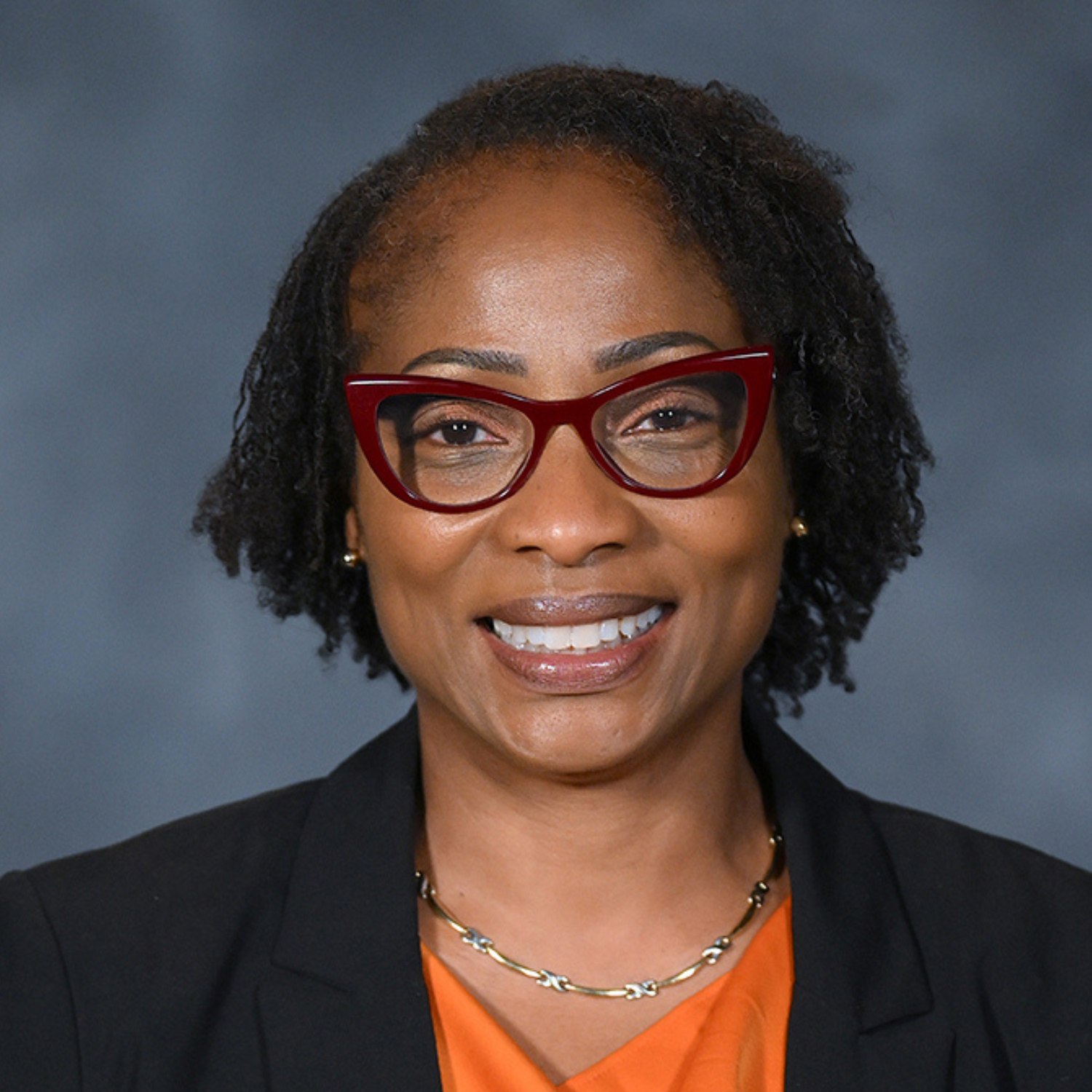
Amanda Smith (She/Her/Hers)
- Harnett & Cumberland County
- Amanda has or is currently working with the following communities and/or organizations: Riverside Community Action Network, Vice President; Fayetteville Alumnae Chapter, Delta Sigma Theta Sorority, Inc., President
- Why she is interested in learning about the state and local budgets: "I am interested in learning more about state and local budgets because understanding how public funds are created, allocated, and appropriated is essential to informed civic engagement. Too often, community members are unaware of how budget decisions directly impact the services, infrastructure, and opportunities available in their daily lives.
By gaining a deeper understanding of the budget process, I hope to share that knowledge with my community to help demystify how government works. My goal is to connect the dots between policy decisions and real-life outcomes — such as road repairs, education funding, and flood prevention efforts in our area. Empowering residents with this knowledge can strengthen advocacy, improve accountability, and ensure that our community’s needs and priorities are reflected in state and local investments."
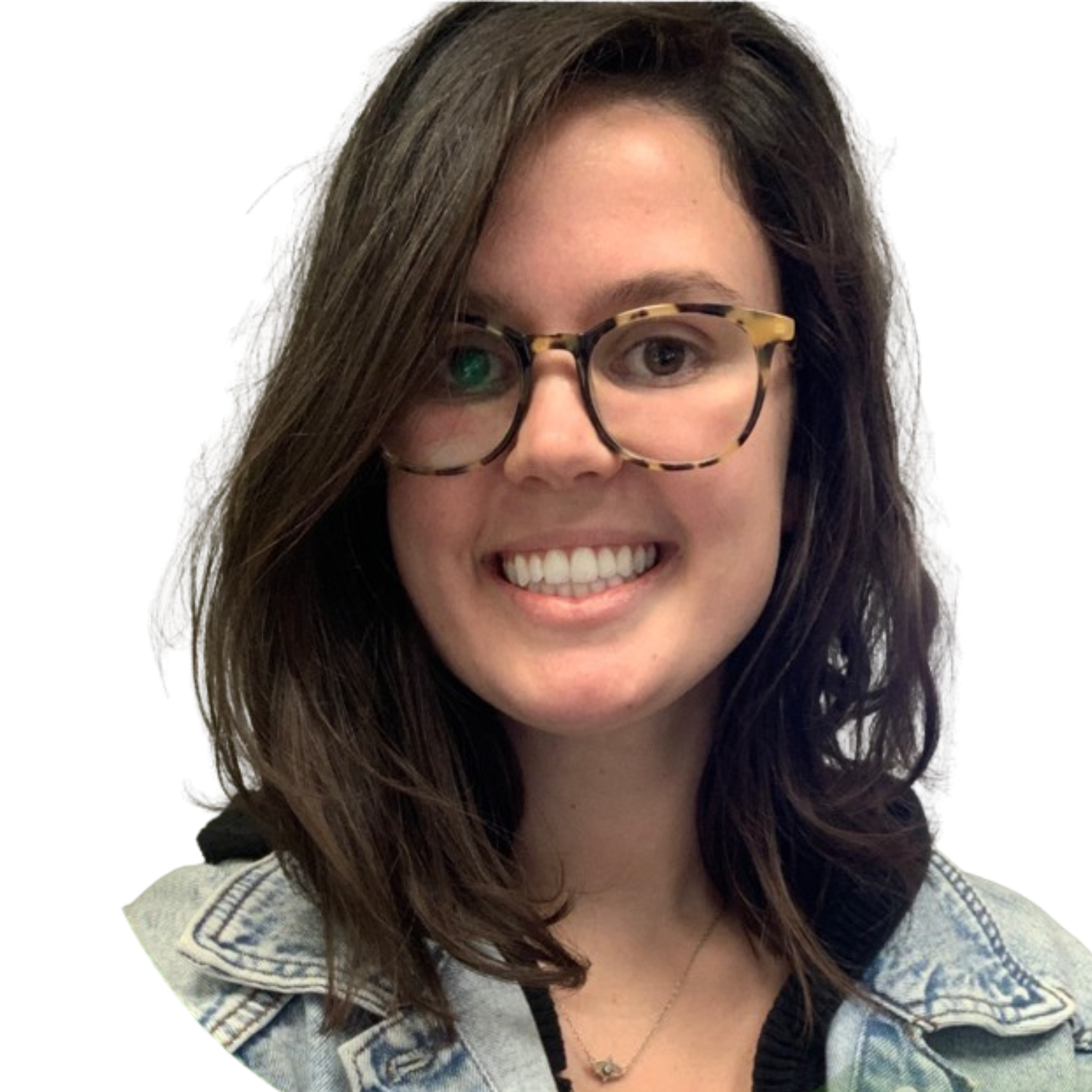
- Why she is interested in learning about the state and local budgets: "I attend City Council, Board of County Commissioners, and public transit commission meetings as often as I can, and I regularly find myself with more questions than answers when it comes to how budget decisions are explained and implemented. I want the ability to read a budget with confidence and clarity — to distinguish what is aspirational language from what is actually funded, and to understand how allocations align with community needs.
I plan to use this knowledge directly in my advocacy with the NC Food Policy Coalition and in my work alongside organizations focused on transit equity and housing stability. My goal is to be able to help community members understand where money is going, what power they have in influencing those decisions, and how we can collectively advocate for budgets that reflect justice, accessibility, and care. This fellowship would give me the tools to translate budget information into meaningful community conversations and organizing strategies."
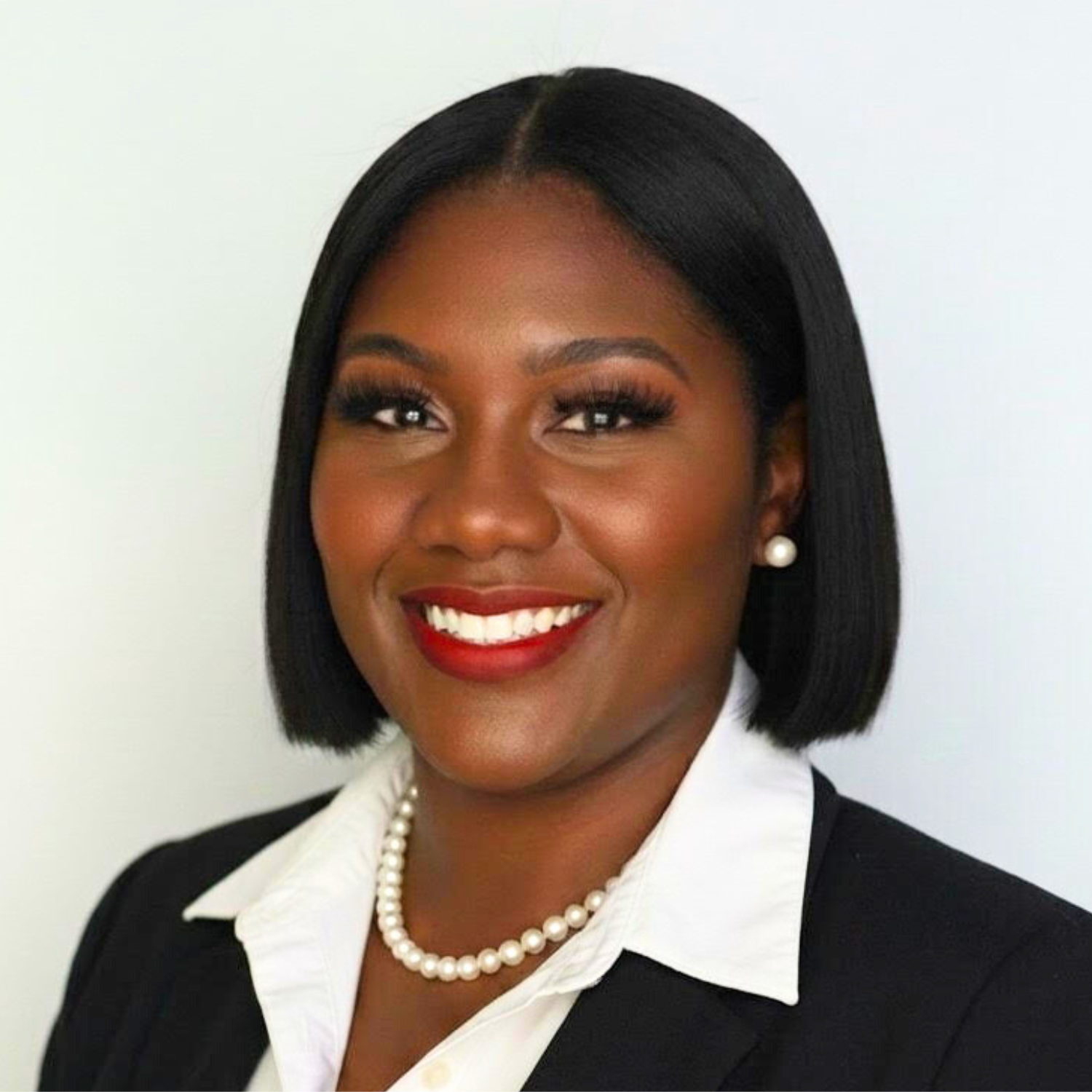
Taraza Tyler (She/her/hers)
- Durham County
- Taraza has or is currently working with the following communities and/or organizations: MPA Graduate Student at NC Central University
- Why she is interested in learning about the state and local budgets: "I’m deeply interested in learning more about state and local budgets because they serve as the blueprint of our collective priorities and too often, those priorities overlook the lived experiences of Black families, youth in transition, and grassroots leaders. As President of the Graduate Association of Public Administration (GAPA) at North Carolina Central University and founder of POWER Inc. Community, I’ve witnessed how budget decisions directly impact access to housing, transportation, education, and mental health support. Yet the communities most affected are rarely invited into the budgeting process. During my internship with the North Carolina Office of State Budget and Management (OSBM), I gained firsthand exposure to the complexities of state budgeting, including how funding decisions are made and how they impact communities across the state. That experience sparked a deeper interest in budget equity and reinforced my commitment to making these systems more transparent and accessible.
I plan to use this knowledge to train youth and families on how to read and advocate within public budgets, support nonprofit partners in aligning their programming with funding cycles, and elevate graduate voices through GAPA by connecting students to real-time policy engagement. This fellowship would empower me to shift from reactive advocacy to proactive strategy ensuring our communities are not just surviving budget cycles but shaping them. With this knowledge, I can help build a more inclusive, transparent, and equitable future one line item at a time."

Phyllis Utley (They/Them/Theirs)
- Buncombe County
- Phyllis has or is currently working with the following communities and/or organizations: Activist - NC Black Leadership Organizing Collective Ambassador - Human Rights Policy Officer
- Why they are interested in learning about the state and local budgets: "I am interested in learning more to provide better information to create a more equitable community. It is my Indigenous cultural principles for the people to be informed and engaged. I will use the information at town hall meetings and other community events."

Crystal Waters (She/Her/hers)
- Bertie County
- Crystal has or is currently working with the following communities and/or organizations: Human Relations Program Manager, Town of Chapel Hill
- Why she is interested in learning about the state and local budgets: "As a native of Bertie County, I have witnessed how budget decisions at the state and local level can either strengthen or stall progress in rural Eastern North Carolina. I am deeply interested in learning how these budget processes work, so I can better advocate for equitable resource distribution, particularly in communities that have long been underfunded.
Through my work as Human Relations Program Manager for the Town of Chapel Hill, Certified Career Counselor with the National Career Development Association, Regional Member with Alpha Kappa Alpha Sorority Inc. , active member of Wake Chapel Church in Raleigh, and as a board member with Disability Rights North Carolina, I have seen the importance of transparent, inclusive budgeting in ensuring access to housing, transportation, and essential services. Understanding how budgets shape local priorities will allow me to help bridge the gap between policy and people by empowering rural residents to engage in advocacy, civic participation, and leadership around equitable funding. I intend to use this knowledge to strengthen community revitalization and workforce development initiatives in Bertie County and other underserved areas of our state.
I have been dedicated to building equitable bridges between education, employment, and community access across North Carolina. At East Carolina University, I created the first-ever virtual career fair, expanding access for students in rural areas and those with disabilities. Later, at Duke University School of Nursing, I organized the largest career fair in the school’s history, connecting healthcare employers with a diverse pool of students and alumni. As Chair-Elect for the Diverse Abilities Employee Resource Group at UNC Health, I helped advance inclusive hiring and workplace accessibility initiatives for individuals with disabilities. Now, in my role with the Town of Chapel Hill, I am collaborating to strengthen the Thorpe Internship Program by increasing recruitment and internship opportunities for students from Historically Black Colleges and Universities (HBCUs). Each of these initiatives reflects my commitment to creating pathways that ensure all North Carolinians regardless of background or ability have equitable opportunities to thrive."
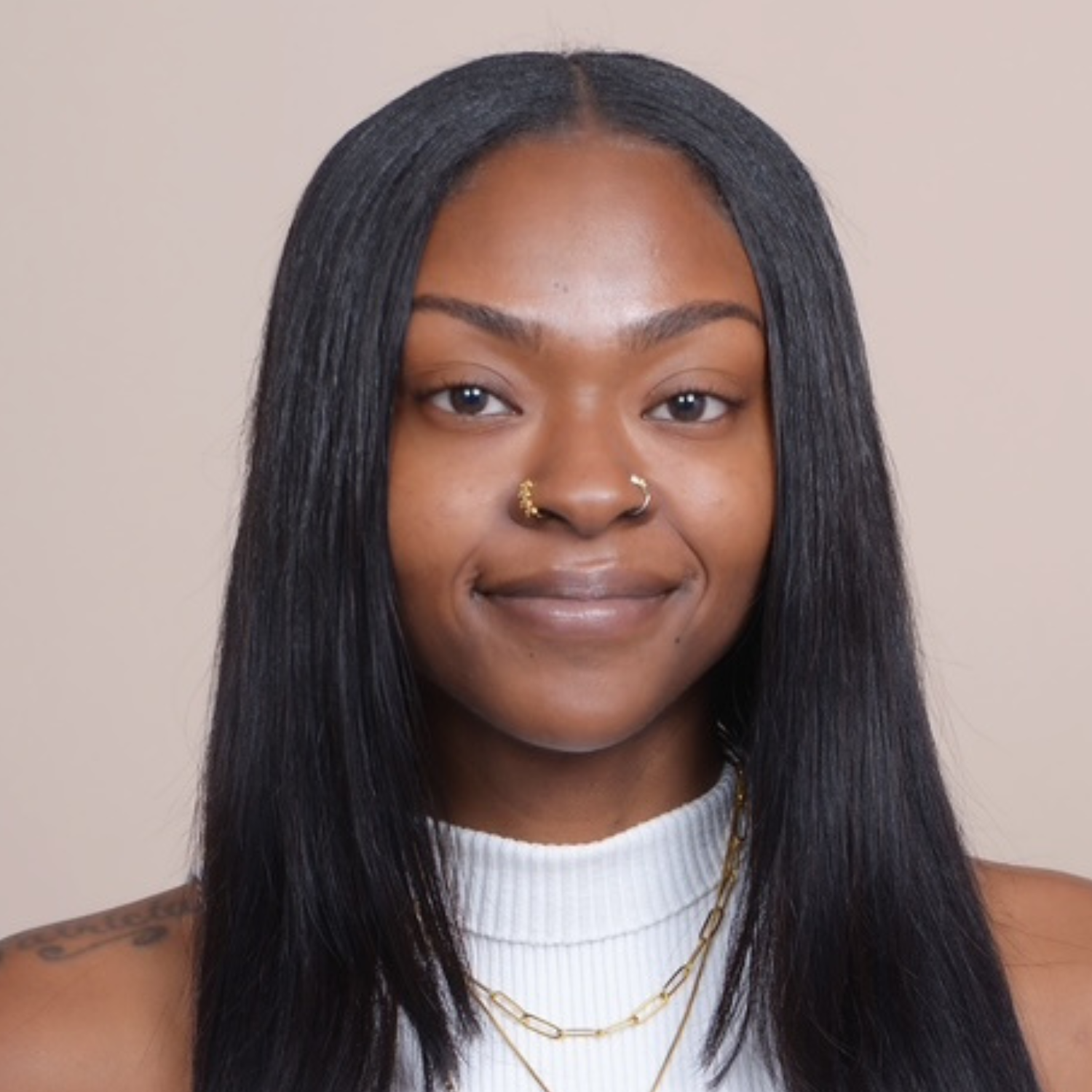
Imanie Williams (She/Her/Hers)
- Durham County
- Imanie has or is currently working with the following communities and/or organizations: Prevention and Education Manager at Orange County Rape Crisis Center, Co-Founder of InvolvHER, Community Consultant for The City of Durham, and Freelance Social Impact Consultant
- Why she is interested in learning about the state and local budgets: "I am deeply interested in learning more about state and local budgets because they are the lifeblood of the programs and services that directly impact our communities, particularly Black-led and BIPOC-serving organizations. Understanding how public funds are allocated, restricted, and leveraged is essential to advocating equitable investments that strengthen community capacity, reduce barriers, and support sustainable impact. Without this knowledge, communities are often left out of decisions that shape their access to resources, services, and opportunities.
I anticipate using the information and experience gained from the Better NC Fellowship to bridge the gap between budgets and community impact. With a deeper understanding of budget processes, I can help organizations and residents identify opportunities for advocacy, inform public discussions, and participate in decision-making processes that affect their daily lives. This knowledge will also allow me to design and host community workshops that demystify the budget process, empower residents to articulate priorities, and amplify collective voice to influence funding decisions. Ultimately, I want to ensure that public dollars are directed toward community-identified solutions, strengthening both the capacity and resilience of local organizations while promoting long-term equity and well-being."